
HEIC for the Treatment of Dry Materials

High Energy Impact Compaction (HEIC) is a powerful technique that can be employed for the treatment of dry materials, offering effective densification and stabilization.
Concrete Breaking and Demolition with HEIC
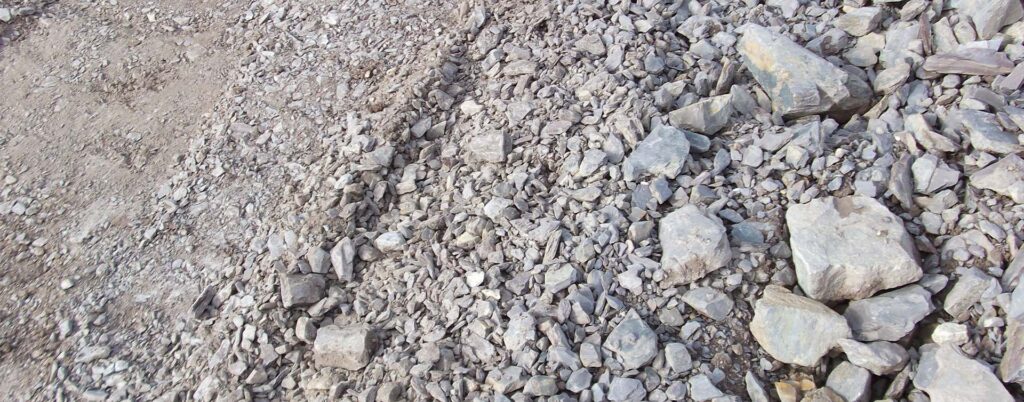
Concrete breaking and demolition are common activities in construction and renovation projects when existing structures need to be removed or modified.
High Energy Impact Compaction for Thick Layer Placed Fill
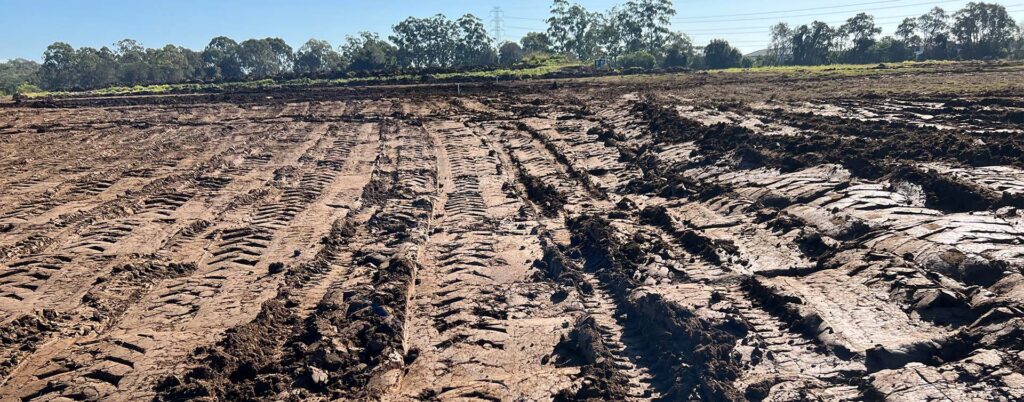
In geotechnical engineering, the placement of thick layers of fill material is a common practice in various construction projects.
Proof Rolling with HEIC
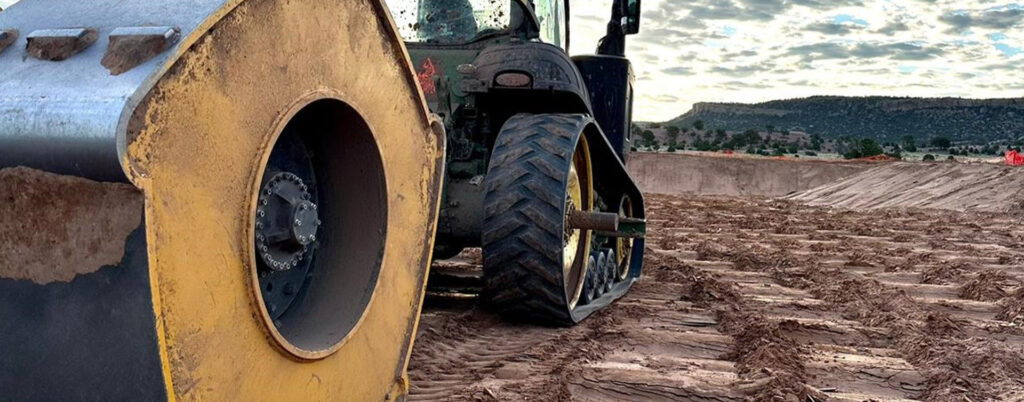
Proof rolling is a field testing technique used in geotechnical engineering to assess the integrity and stability of the subgrade or the prepared base course before construction activities commence.
High Energy Impact Compaction in Permeability Reduction
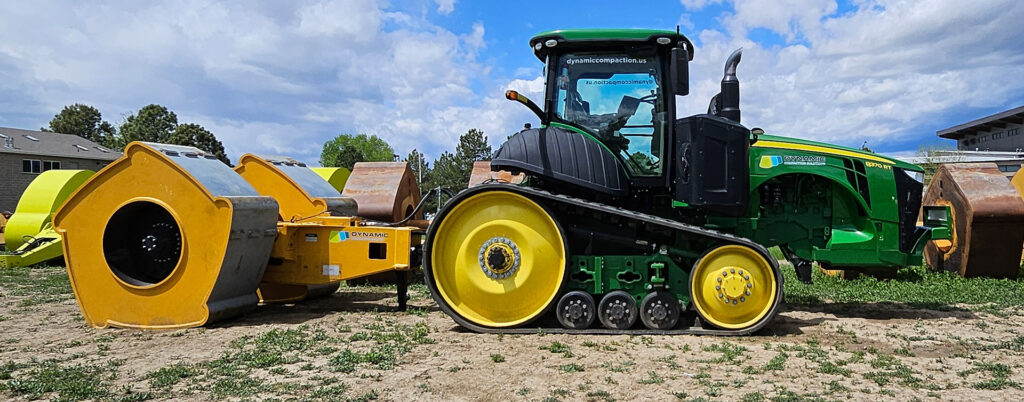
One of the most significant challenges in geotechnical engineering is managing the permeability of soils. Permeability is a measure of the soil’s ability to transmit water or other fluids.
High Energy Impact Compaction for Coal Discard
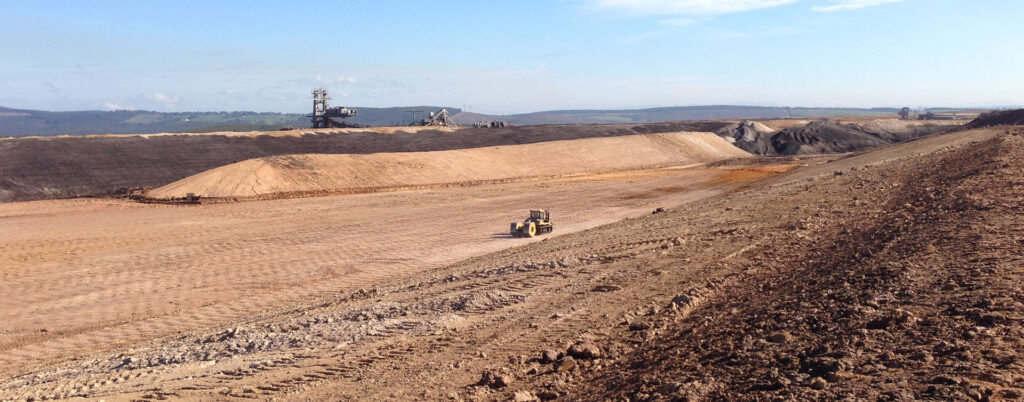
In the mining industry, managing coal discard or coal waste is a significant challenge. Left unmanaged, these discards can lead to environmental pollution and land instability.
Impact Compaction for In-Situ Uncontrolled Fills
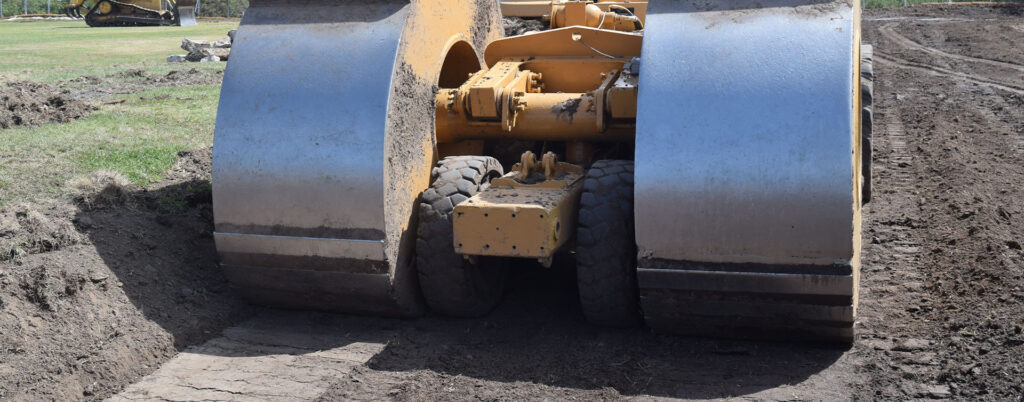
In construction and infrastructure projects, dealing with in-situ uncontrolled fills often presents an engineering challenge.
Accelerated Consolidation with HEIC
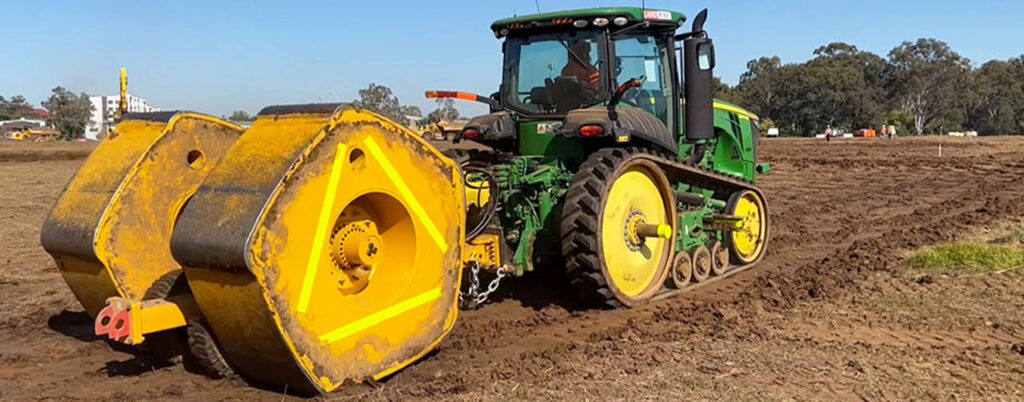
Managing the settlement of soft soils is a challenging aspect of many construction projects. Without proper treatment, the natural process of soil consolidation can take years, even decades, potentially leading to uneven settlement, structural damage, and project delays.
Management of Dredged Sands with HEIC
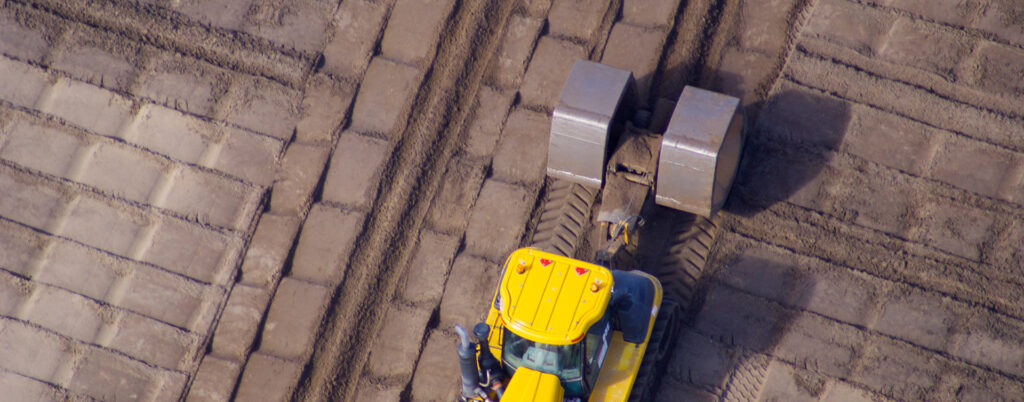
The effective management of dredged sands poses significant challenges and opportunities for construction and environmental projects alike.
In-situ material with HEIC
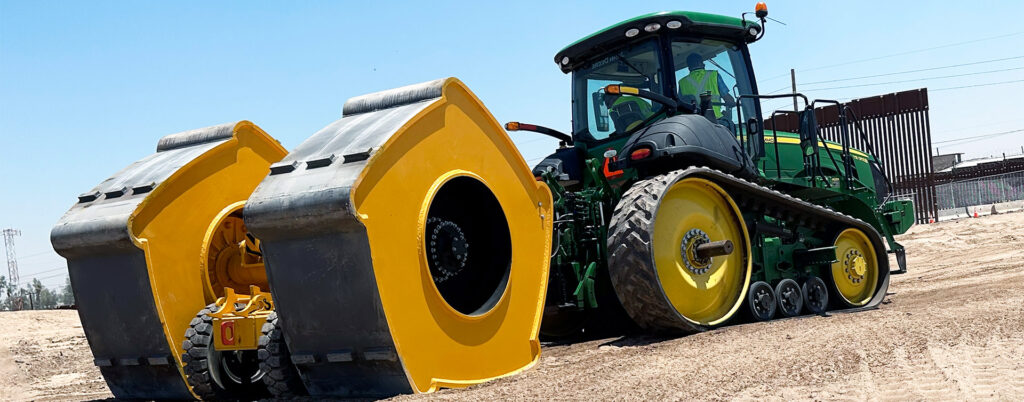
High Energy Impact Compaction (HEIC) represents a critical innovation in soil compaction, offering numerous advantages over traditional methods.