The Benefits of High Energy Impact Compaction in Accelerated Consolidation
Managing the settlement of soft soils is a challenging aspect of many construction projects. Without proper treatment, the natural process of soil consolidation can take years, even decades, potentially leading to uneven settlement, structural damage, and project delays. Accelerated consolidation techniques, such as High Energy Impact Compaction (HEIC), have emerged as an effective solution to this problem.
Understanding Accelerated Consolidation
Consolidation refers to the process through which water-saturated soils gradually compress under load, expelling water from the soil pores and leading to a decrease in soil volume. This is a natural, slow process, often taking a significant amount of time.
Accelerated consolidation is a suite of techniques aimed at speeding up this natural process, allowing construction on previously unsuitable sites to proceed more rapidly and safely. These techniques typically involve applying a surcharge load, vertical drains, or vibration to the soil, enhancing the expulsion of pore water and thus speeding up consolidation.
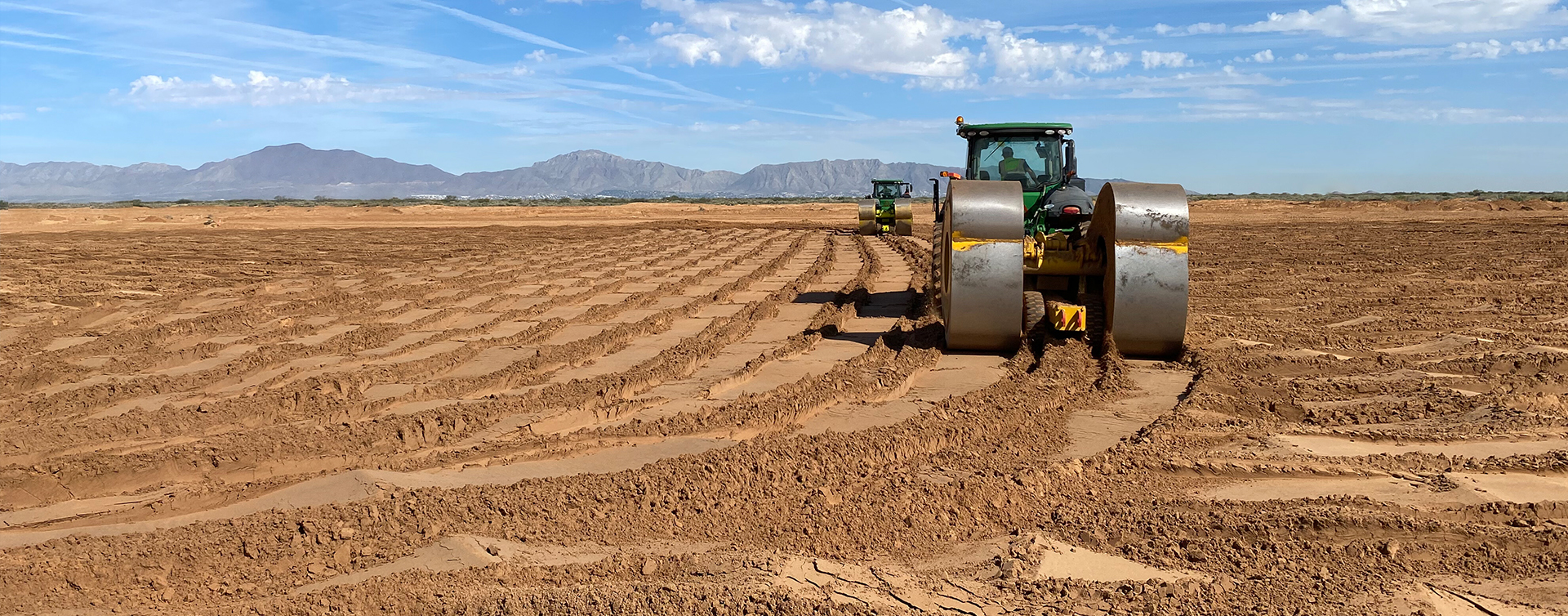
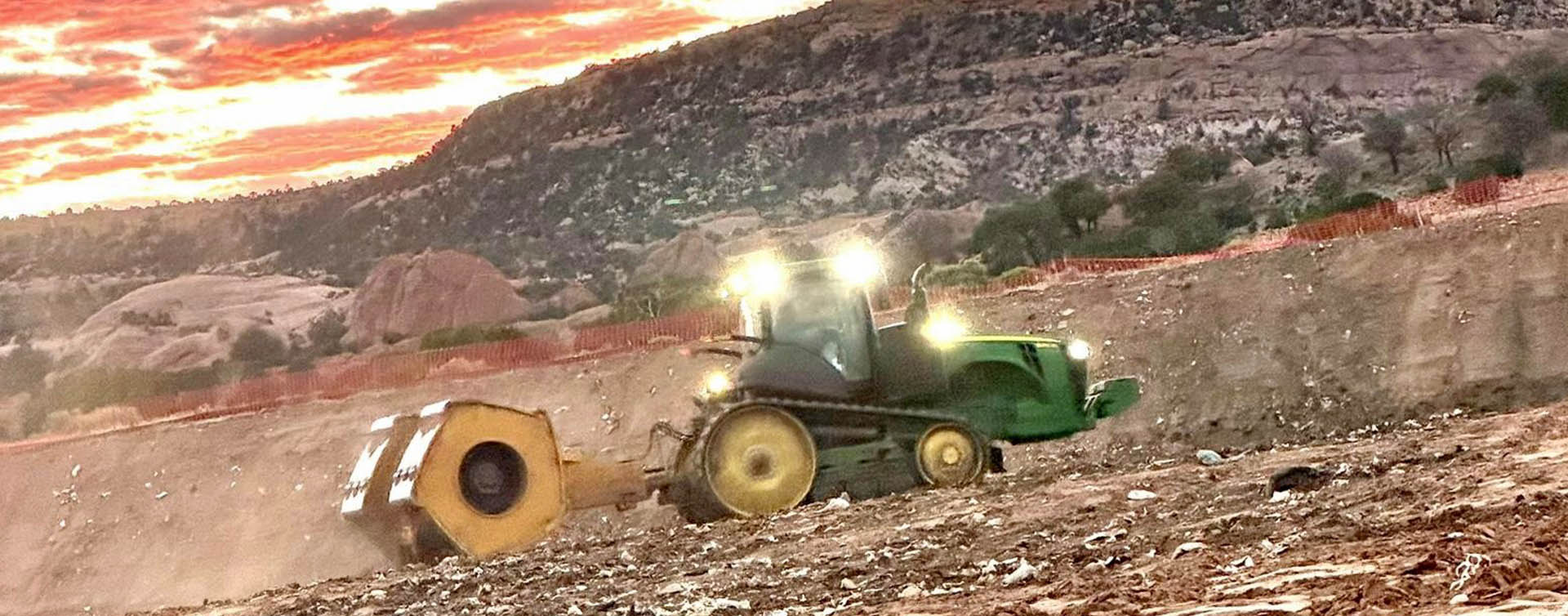
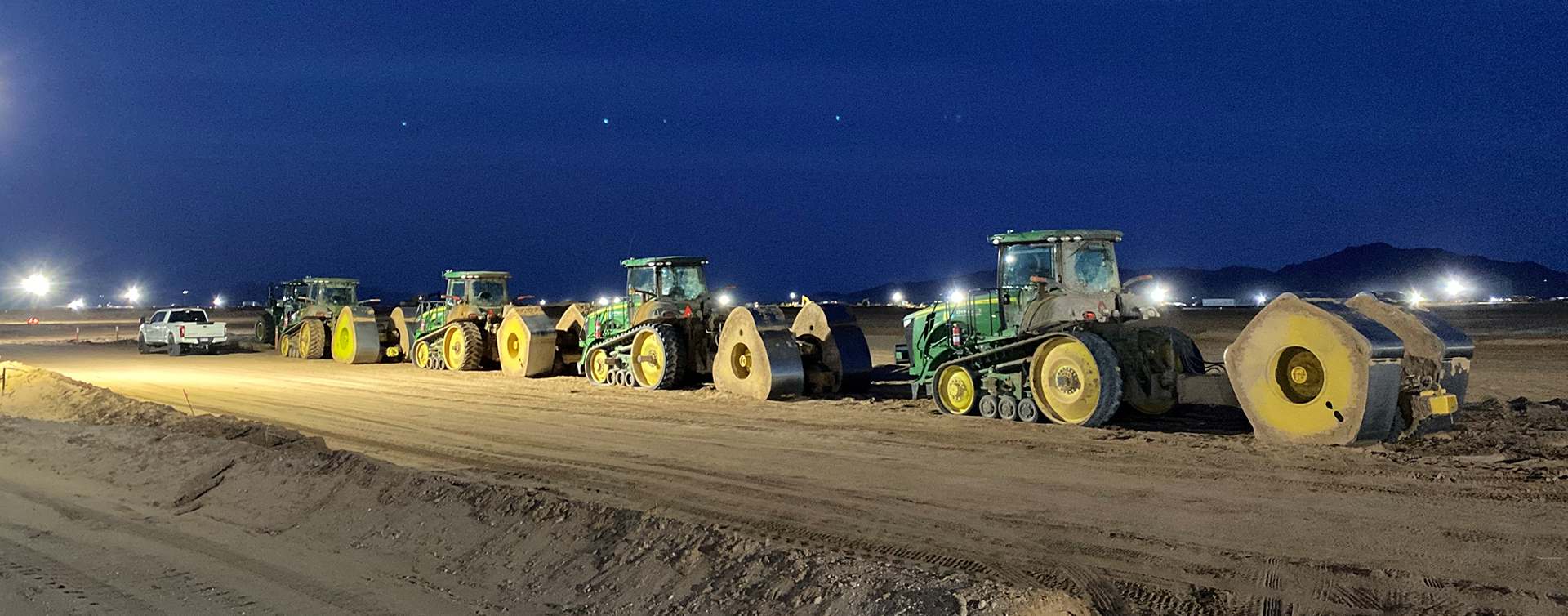
High Energy Impact Compaction (HEIC) is an accelerated consolidation technique that uses the dynamic force of high-energy impacts to consolidate soils. This innovative technology offers several advantages over traditional compaction methods:
Speed
HEIC is significantly faster than traditional compaction methods, reducing project timelines and costs.
Efficiency
HEIC can achieve higher levels of compaction, enhancing soil strength and stability.
Versatility
HEIC works well with a wide range of soil types, making it suitable for various construction projects.
Examples of HEIC in Accelerated Consolidation
Land Reclamation Projects
In land reclamation, soft dredged materials are often used to create new land. However, these materials are usually highly compressible and require consolidation before construction can proceed. HEIC is used to speed up the consolidation of these materials, enabling construction activities to commence sooner.
Road Construction
Road construction often involves working on soft soils that may lead to differential settlement over time. Using HEIC for accelerated consolidation ensures a solid and stable base for the road, reducing future maintenance costs.
Building Foundations
When constructing buildings on soft soils, differential settlement can lead to structural problems. HEIC provides accelerated consolidation, ensuring a more stable foundation.
The Pivotal Role of High Energy Impact Compaction in Soil Consolidation
High Energy Impact Compaction offers an efficient solution for the accelerated consolidation of soils, supporting faster, safer, and more cost-effective construction projects. Leveraging their expertise in HEIC, Dynamic Compaction Solutions provides clients with robust ground improvement solutions tailored to their unique project requirements. Get in touch to learn more.