The Benefits of High Energy Impact Compaction for Coal Discard
In the mining industry, managing coal discard or coal waste is a significant challenge. Left unmanaged, these discards can lead to environmental pollution and land instability. High Energy Impact Compaction (HEIC) provides an effective method for coal discard compaction, enabling better waste management and contributing to a safer and more sustainable mining environment.
Understanding Coal Discard
Coal discard, often known as coal mining waste, is the residual material produced during the extraction of coal. It typically consists of a mix of substances, including rocks, soil, coal fines (small particles), and other materials. Coal discard occurs as a natural byproduct of coal mining operations due to the need to remove overburden and other non-coal materials to access coal seams. Here are some examples:
Overburden: This is the material that lies above a coal seam. Miners must remove this material to access the coal. Overburden primarily consists of soil and rock and is often the largest volume of discard produced by coal mining.
Interburden: This is the rock or sediment that lies between coal seams in a multi-seam operation. Similar to overburden, it must be removed to access the coal, contributing to the volume of coal discard.
Coal Fines and Coal Processing Waste: These are smaller particles of coal and other materials that are separated out during the coal cleaning or preparation process. While the coal is often recovered and used, some residual material may become part of the coal discard.
Tailings: Tailings are the waste material from coal preparation plants, which clean the extracted coal. They consist of ground rock and process effluents generated in a mine processing plant.
Slurry Ponds: Some coal cleaning processes use large volumes of water, resulting in a slurry. The slurry is often stored in ponds, and the solid material that eventually settles out becomes part of the coal discard.
Spoil Tips or Waste Piles: After extraction and processing, the unwanted residual material (the coal discard) is often stored in large piles or embankments, commonly referred to as spoil tips or waste piles.
Challenges of Coal Discard Management
The challenge with coal discards lies in their composition. They can be loosely packed, varied in material sizes, and may contain residual coal that can spontaneously ignite if not handled correctly. These characteristics make coal discard piles prone to erosion, instability, and environmental pollution.
If not compacted and stabilized, these waste materials can pollute the air and water, ignite spontaneous fires, or even cause catastrophic landslides. Technologies like High Energy Impact Compaction (HEIC) are crucial to compact and stabilize these materials, reducing their environmental impact and ensuring the safety of the mining operations and surrounding communities.
HEIC: A Solution for Coal Discard Management
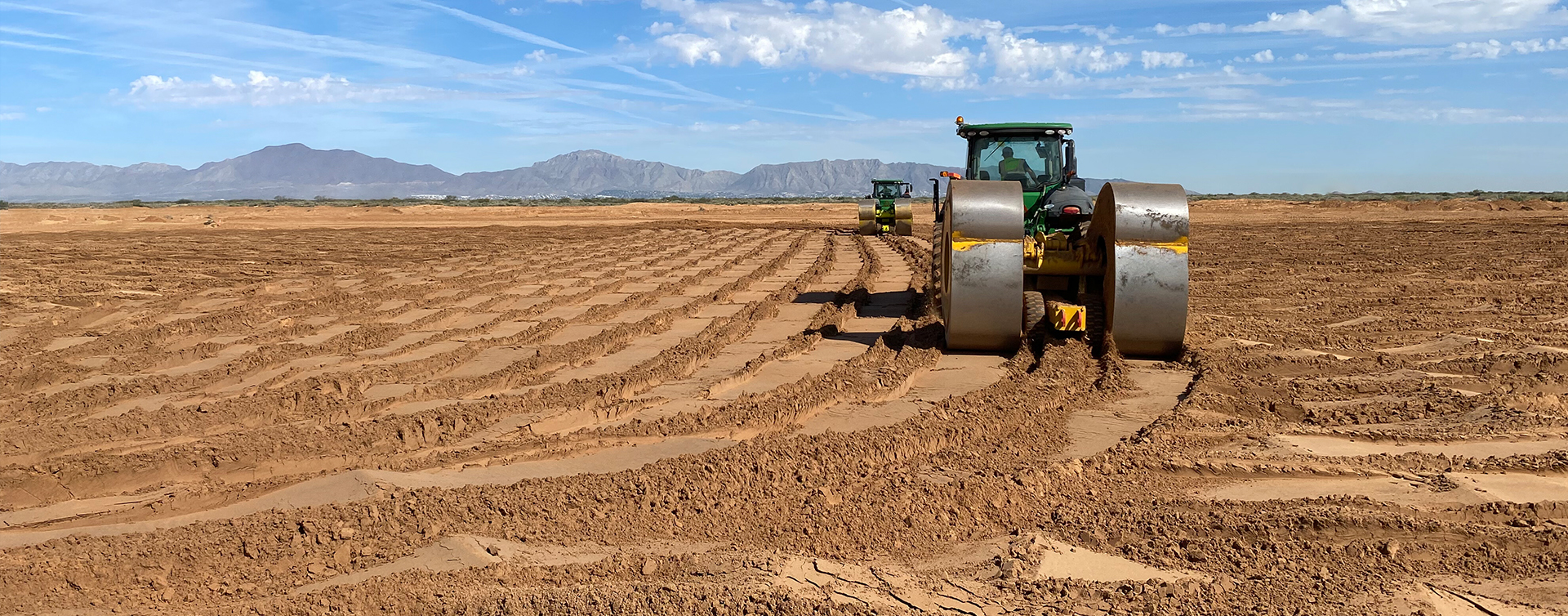
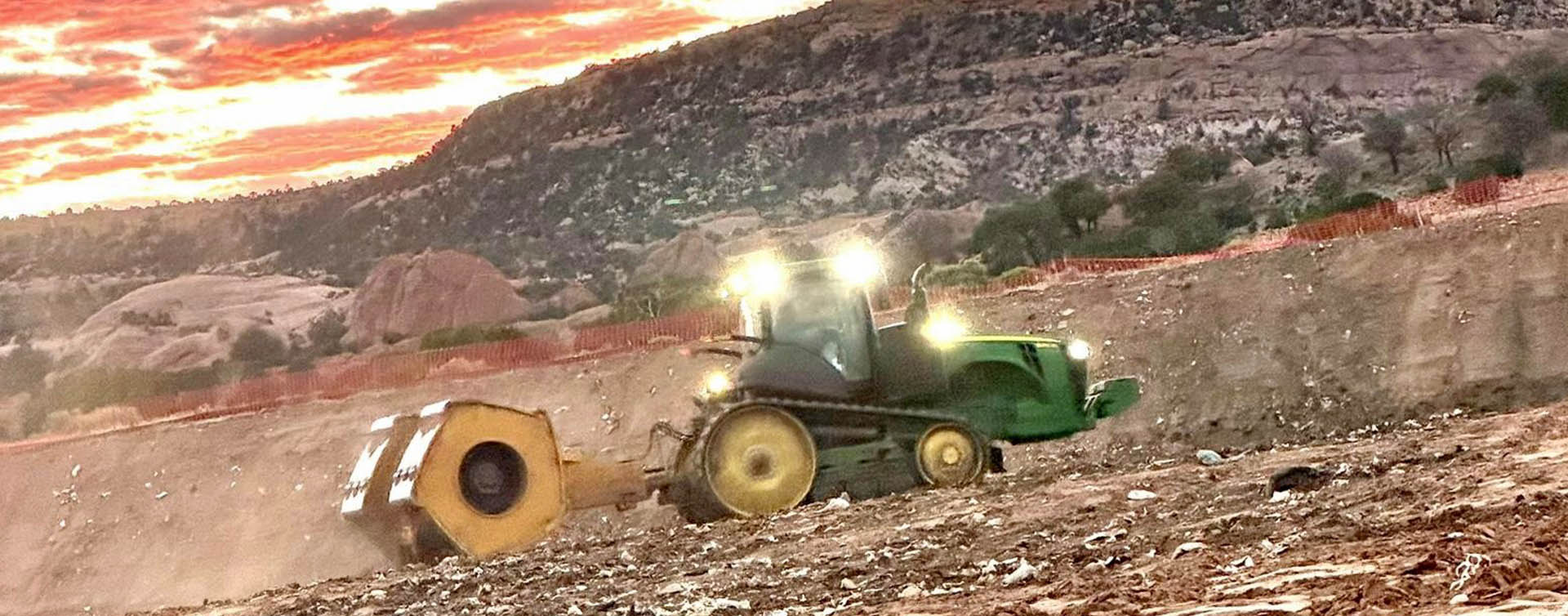
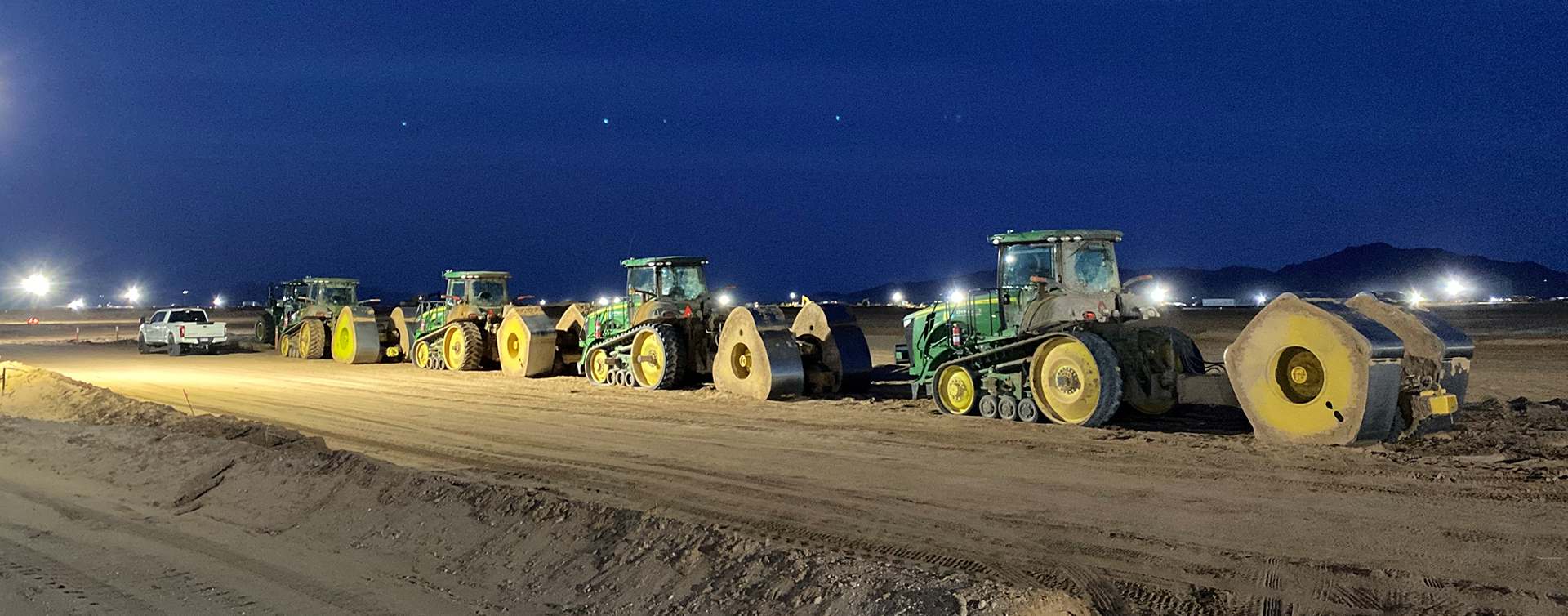
High Energy Impact Compaction (HEIC) offers a robust solution for the stabilization and improvement of coal discard piles. This advanced technique delivers powerful compaction energy to the soil, significantly improving its density, uniformity, and load-bearing capacity.
Benefits of HEIC for Coal Discard Compaction
Enhanced Stability: HEIC can significantly improve the stability of coal discard piles. The increased density reduces the risk of pile failure, which can cause landslides or other catastrophic events.
Reduced Environmental Impact: Compact piles are less prone to wind and water erosion, reducing the dispersion of dust and pollutants. Moreover, proper compaction can limit the oxygen supply to residual coal, minimizing the risk of spontaneous combustion.
Improved Land Use: HEIC compaction of coal discards allows for better land reclamation post-mining. The compacted areas can be safely vegetated and returned to productive use more quickly.
Cost-Efficient: By using HEIC to manage coal discards, mining companies can reduce the need for additional land for waste disposal and avoid the potential costs associated with environmental pollution and pile instability.
The Role of Dynamic Compaction Solutions
Leveraging their expertise in HEIC, Dynamic Compaction Solutions provides robust solutions for coal discard compaction. Their innovative techniques not only ensure enhanced safety and environmental protection but also contribute to more sustainable mining practices.
High Energy Impact Compaction and Coal Discard
HEIC presents a promising solution for these challenges. By delivering high-impact energy, HEIC can compact the coal discard, making the piles more stable and less susceptible to erosion and spontaneous combustion. Get in touch with the team to find out more.