Enhancing In-situ Material through High Energy Impact Compaction
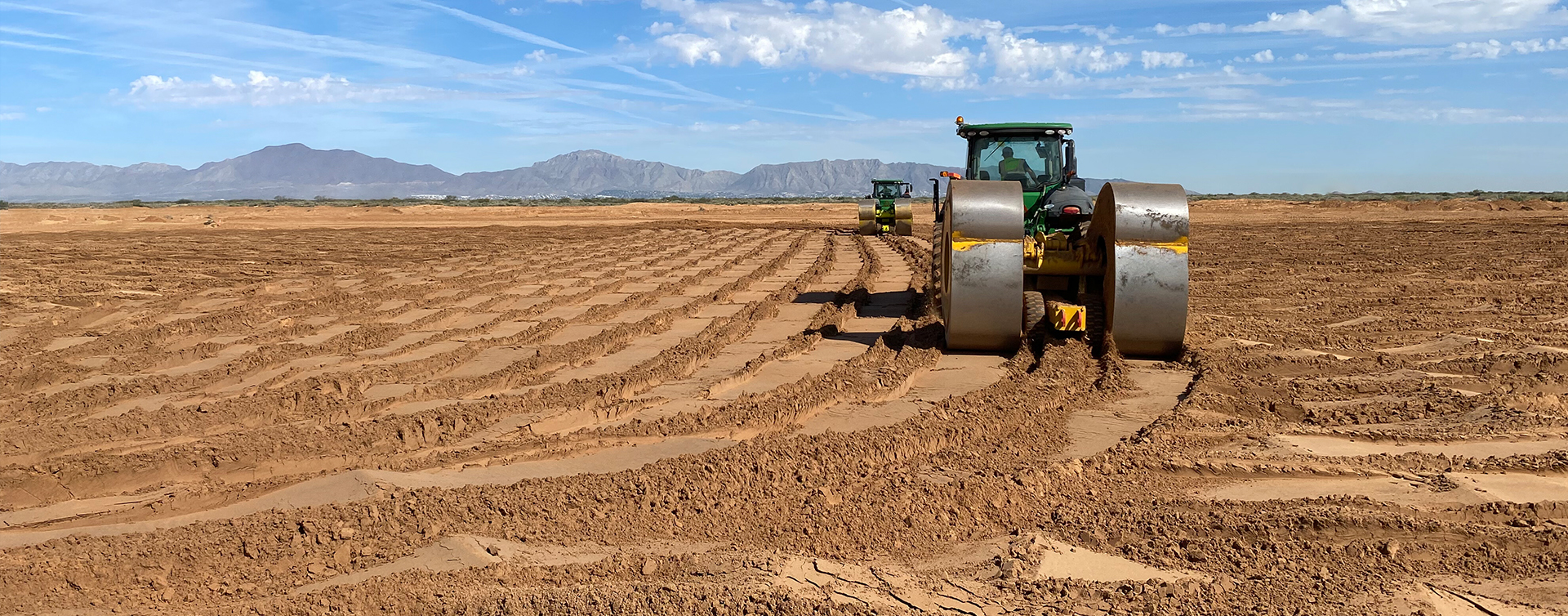
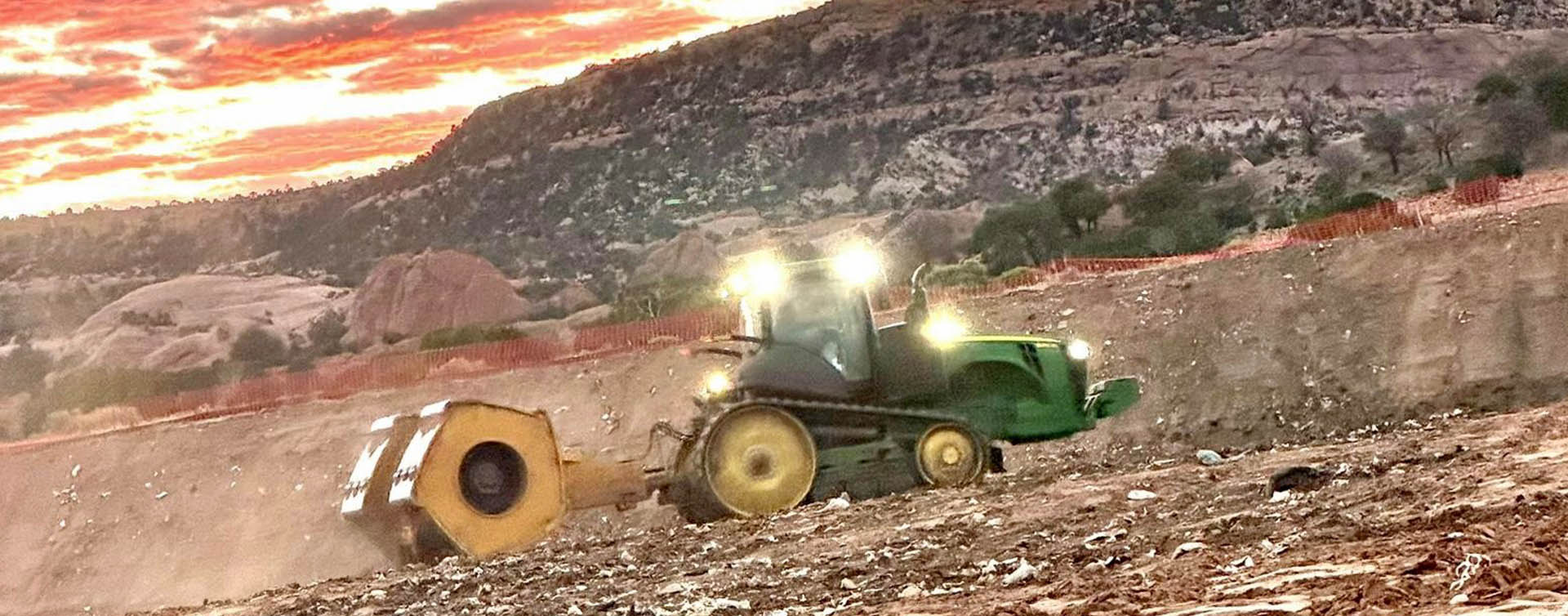
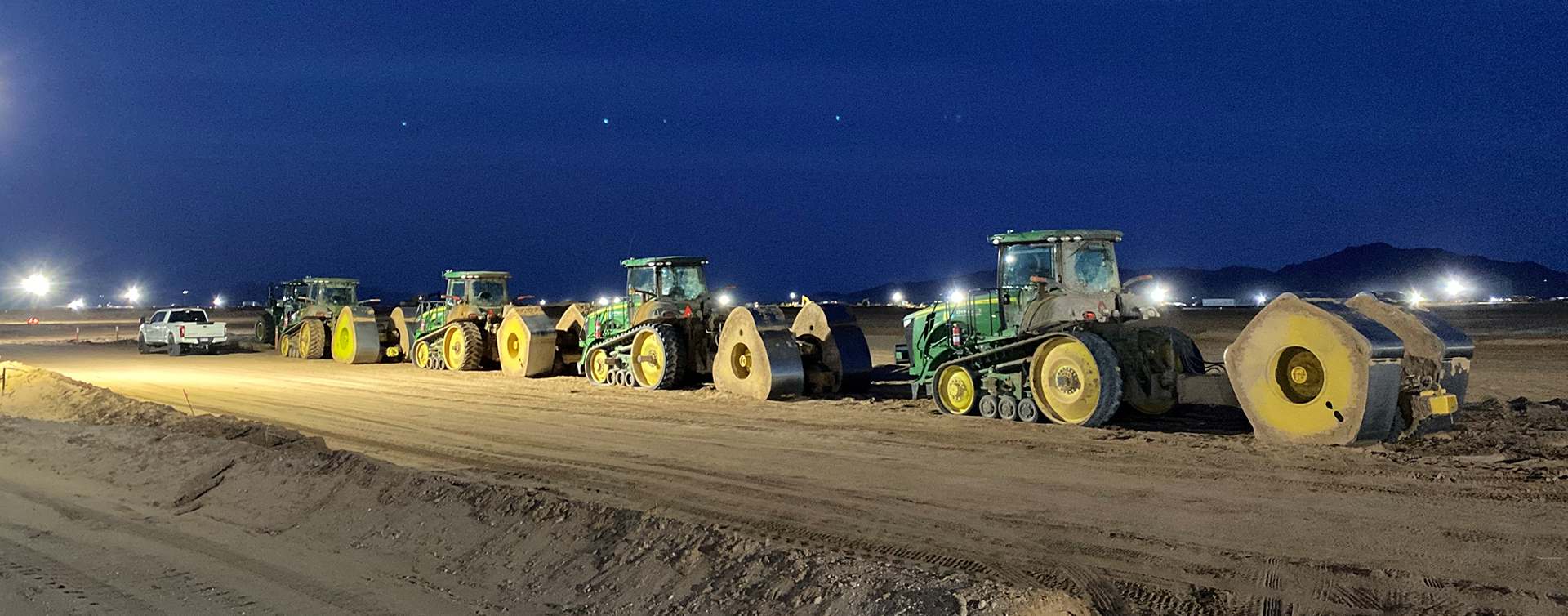
High Energy Impact Compaction (HEIC) represents a critical innovation in soil compaction, offering numerous advantages over traditional methods. Particularly, when dealing with in-situ material – the natural soil present at a construction site – HEIC can substantially improve the material’s engineering properties, ensuring the success of diverse projects.
Understanding In-situ Material
In-situ material refers to the original, unmodified soil found on a project site. These soils can vary dramatically in composition, structure, and properties depending on the geographical location and the underlying geological formations. Utilizing in-situ materials as much as possible helps reduce costs associated with soil removal and importation of new material. Here are the main types of in-situ materials:
Sandy Soil
These are coarse-grained soils, largely made up of sand and gravel particles. Sandy soils have a high permeability rate due to large pore spaces and generally exhibit low plasticity and compaction properties.
Silty Soil
Silty soils are fine-grained, characterized by a smooth touch. They have smaller particles compared to sandy soils but are larger than clay soils. They can be compacted more easily than sandy soils but are more prone to compaction than clay soils.
Clay Soil
Clayey soils contain the smallest particles among all soil types. They are characterized by high plasticity and can change shape without breaking. However, clayey soils have low permeability and can become easily compacted, which can cause drainage issues.
Loam Soil
Loamy soils represent a balanced mixture of sand, silt, and clay. They are often considered ideal for many purposes because they offer the benefits of all three types. They provide good drainage, have high nutrient content, and exhibit good compaction properties.
Peat Soil
Found in marshy or damp areas, peaty soils are organic and contain a high percentage of decomposed plant material, or peat. These soils tend to be darker in color and have a high water-holding capacity.
Rocky Soil
These consist largely of rock fragments or bedrock. The type of rock (sedimentary, igneous, or metamorphic) and the size of the fragments greatly affect the soil’s physical and chemical properties.
Understanding the type of in-situ material at a construction site is crucial for planning and executing various operations, such as excavation, compaction, and construction. Different soil types respond differently to compaction, and thus it is important to apply the most effective compaction strategy for the specific in-situ material type. HEIC is particularly effective in densifying coarse-grained soils and irregularly graded soils, improving the engineering properties of these in-situ materials.
The Importance of Compaction
Compaction is vital for enhancing the characteristics of in-situ material. By densifying the soil, compaction increases its shear strength, reduces its permeability, and enhances its load-bearing capacity – key properties that influence the stability and performance of construction projects.
Increased Compaction Depth
HEIC can reach deeper compaction layers compared to traditional methods, treating a larger volume of the in-situ material. This feature is particularly beneficial when dealing with large construction projects, such as highways, airports, or large buildings, where deep soil stability is critical.
Enhanced Density and Load-bearing Capacity
The high energy impacts delivered by HEIC increase the density of the in-situ material, enhancing its load-bearing capacity and making it suitable to support heavy loads.
Reduced Permeability
By densifying the soil, HEIC reduces the size and connectivity of the soil pores, effectively reducing its permeability. This can be particularly beneficial in projects where water infiltration needs to be minimized, such as in dam or landfill construction.
Improved Long-term Performance
The enhanced compaction achieved by HEIC reduces the potential for future settlement, thereby improving the long-term performance and durability of the constructed facility.
By harnessing the power of High Energy Impact Compaction, Dynamic Compaction Solutions optimizes the performance of in-situ materials, supporting project success across a wide range of construction sectors. Dynamic Compaction Solutions’ expertise in HEIC ensures the effective utilization of local in-situ resources, driving project efficiency and sustainability.
Go Where No Compactor Has Gone Before
HEIC can make light work of land that other methods of compaction simply can’t touch – including reclaimed or otherwise inaccessible land – opening up new development and commercial opportunities. Get in touch to find out more.