The Critical Role of Proof Rolling in Geotechnical Engineering
Proof rolling is a field testing technique used in geotechnical engineering to assess the integrity and stability of the subgrade or the prepared base course before construction activities commence. It involves subjecting the ground surface to the repetitive passage of heavy vehicles or equipment to simulate the anticipated loads and evaluate the response of the soil or material.
The purpose of proof rolling is to identify any soft or weak areas in the subgrade or base course that may require additional compaction or remediation before construction. The technique helps to detect potential areas of excessive settlement, yielding, or rutting under the anticipated loads.
Steps Involved in Proof Rolling
- Preparation: The subgrade or base course is prepared to the desired specifications, including grading and compacting to the required density.
- Selection of Equipment: Heavy vehicles or equipment, such as loaded dump trucks, sheepsfoot rollers, or vibrating compactors, are chosen based on the project requirements and expected loads.
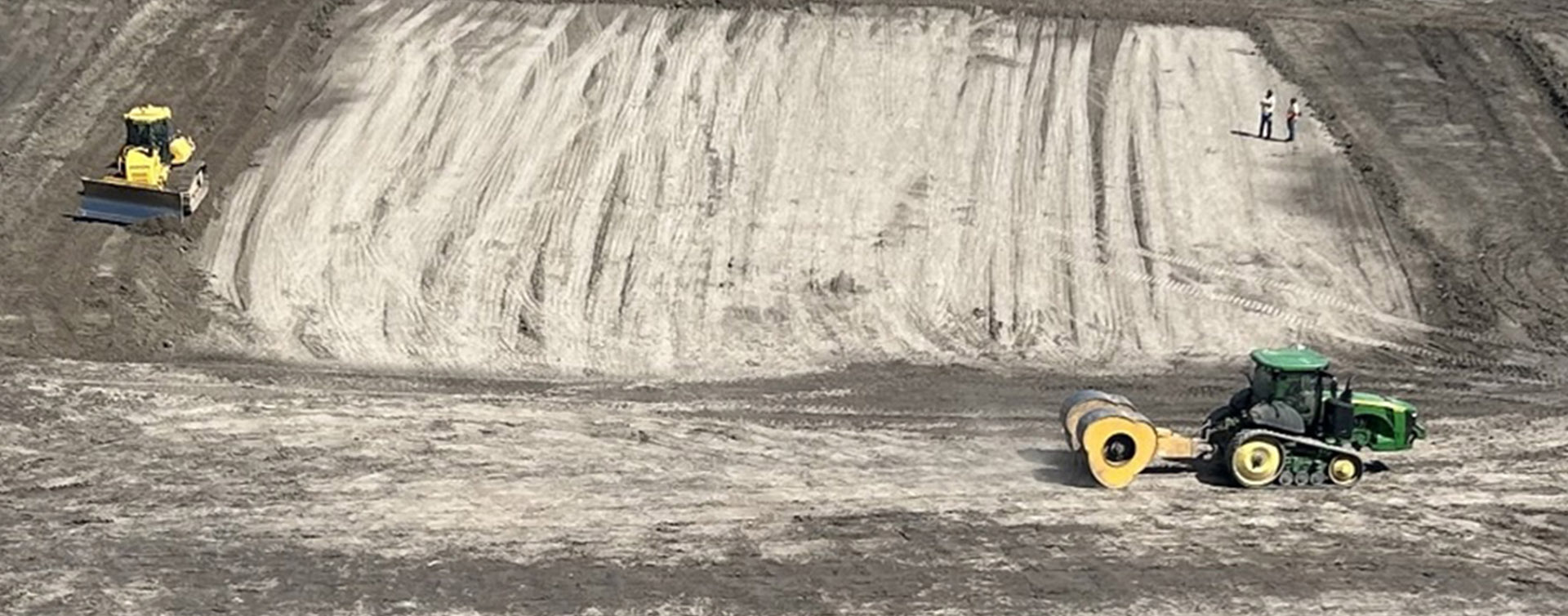
- Testing Procedure: The selected vehicles or equipment repeatedly traverse the prepared area in a systematic manner, covering the entire site. The number of passes may vary depending on the project specifications.
- Observation and Evaluation: During and after proof rolling, geotechnical engineers and field personnel carefully observe the ground surface for any signs of deformation, settlement, rutting, or other undesirable responses. The performance is evaluated based on visual inspections, measurements, and comparison with project standards or guidelines.
- Decision-making: Based on the observations, the engineers determine whether additional compaction, reinforcement, or remedial measures are required in specific areas that exhibit inadequate performance.
Importance of Proof Rolling
Proof rolling is particularly beneficial in projects involving heavy structures, such as highways, airports, or industrial facilities, where subgrade or base course stability is critical. By subjecting the soil to simulated loading conditions, potential weak spots can be identified and addressed before construction, ensuring the long-term stability and durability of the project.
Integrating High Energy Impact Compaction with Proof Rolling Techniques
Proof rolling is a vital field testing technique in geotechnical engineering, essential for assessing the integrity and stability of the subgrade or base course before construction. It involves the use of heavy vehicles or equipment to replicate expected loads, identifying weak areas that may require further compaction or remediation. This method is crucial in detecting potential settlement, yielding, or rutting issues under anticipated loads.
The Dynamic Compaction Solutions Approach
At Dynamic Compaction Solutions, we understand the importance of this process in ensuring the long-term stability and durability of construction projects, especially for heavy structures like highways, airports, and industrial facilities. Our approach integrates High Energy Impact Compaction (HEIC) with traditional proof rolling methods. HEIC, a technique we specialize in, provides an advanced level of soil compaction, enhancing the density and uniformity of the subgrade or base course. This combination of proof rolling and HEIC ensures a more comprehensive evaluation and treatment of the soil. By using HEIC, we can address the areas identified during proof rolling with more precision and efficiency, offering robust solutions to our clients.
Benefits of Combining Proof Rolling with HEIC
- Enhanced Stability: HEIC improves the stability of the soil, reducing the risk of differential settlement and ensuring a solid foundation for construction.
- Optimized Construction Quality: By detecting and addressing potential issues early on with HEIC, we ensure that construction projects proceed with a focus on quality, leading to improved long-term performance and safety.
- Enhanced Project Durability: The combination of proof rolling and HEIC ensures that the subgrade or base course can withstand anticipated loads over the project’s lifespan, contributing to the overall stability and reliability of the constructed facility.
- Risk Mitigation: Our approach minimizes risks associated with settlement-induced structural damage or compromised foundation stability.
By leveraging the synergy of proof rolling and HEIC, Dynamic Compaction Solutions not only identifies potential weak areas in the subgrade or base course but also provides effective remediation. Our commitment to integrating these techniques showcases our dedication to enhancing construction quality, optimizing project durability, and ensuring the highest standards of safety and environmental sustainability in our projects.
A Range of Equipment to Suit Your Requirements
Whatever surface or scale you’re working with, we’ll match you with the right machine. Dynamic Compaction Solutions has the widest range of compaction equipment with the expertise to match, ensuring you get the best results from depths of 500mm to 5m. Any application is easily sorted with your choice of 3, 4, or 5-sided equipment. Get in touch to learn more.