Improving Stability and Environmental Management for Landfills with HEIC
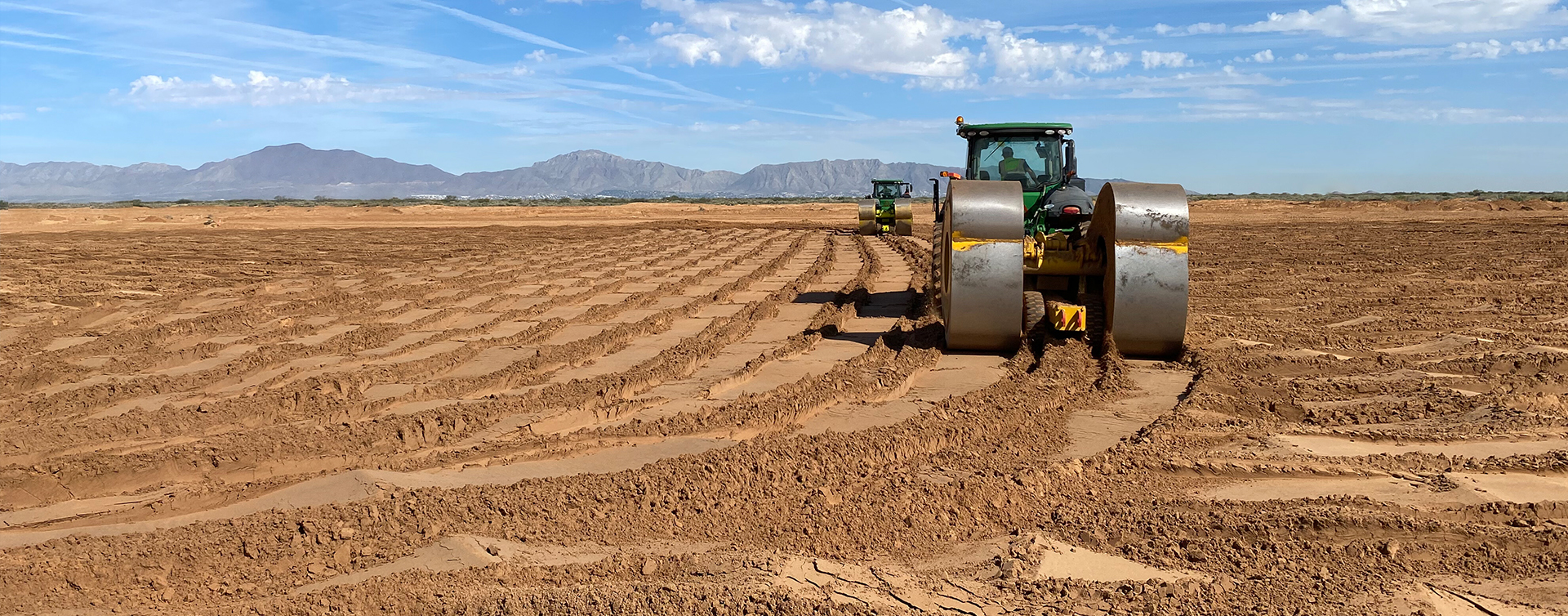
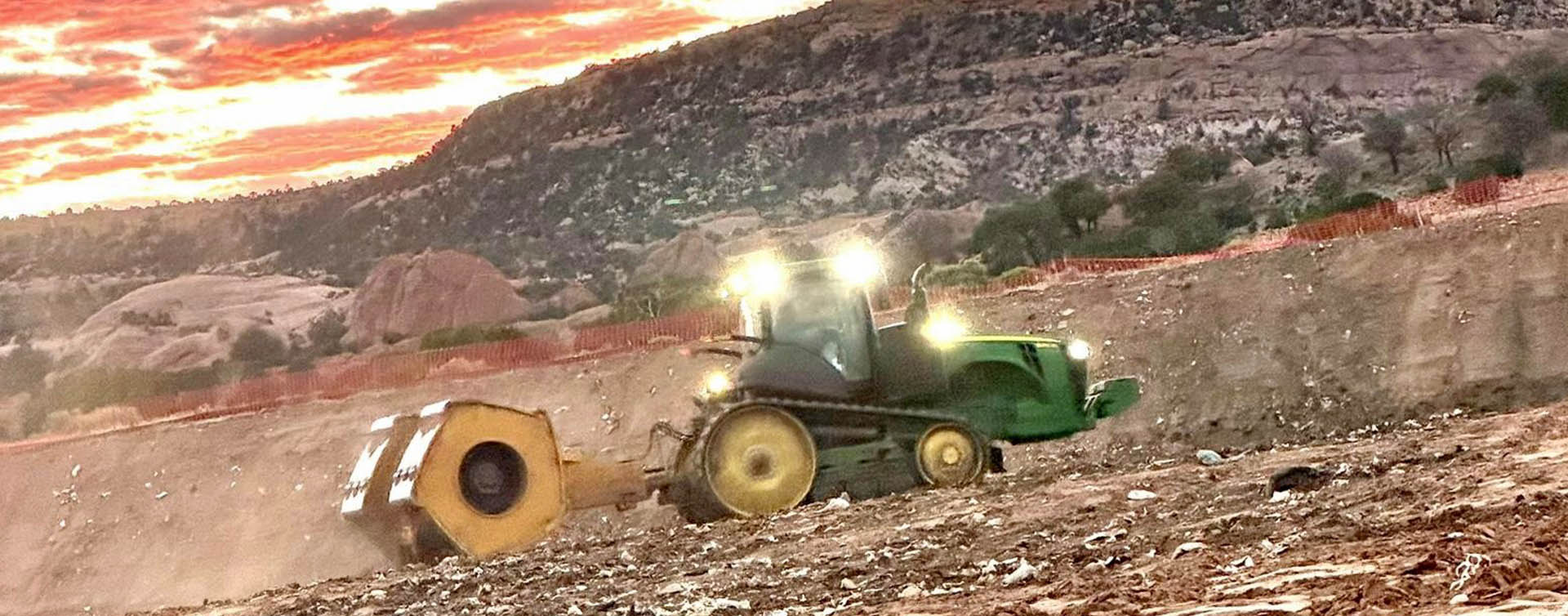
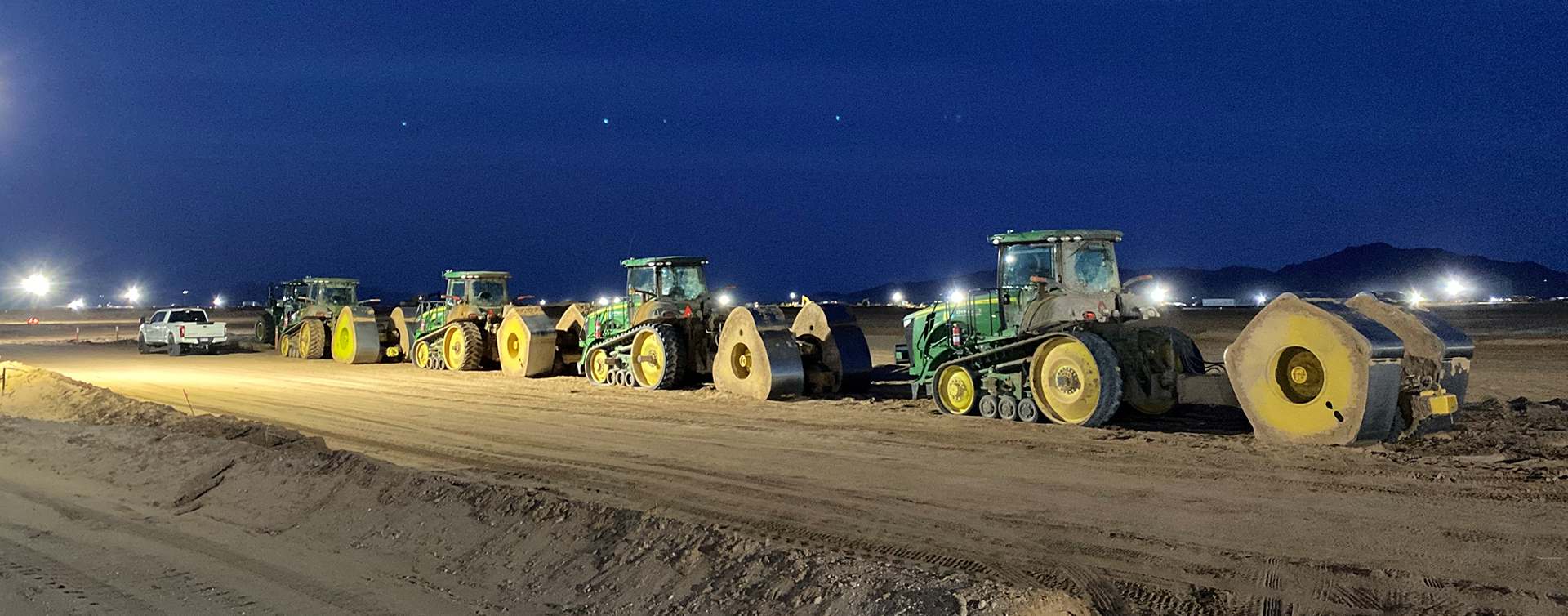
Landfills play a crucial role in waste management, providing a controlled environment for the disposal of solid waste materials. However, the stability and long-term integrity of landfills are of paramount importance to prevent environmental contamination and ensure safe waste containment. High Energy Impact Compaction (HEIC) offers significant benefits for landfill construction and maintenance, enhancing stability, reducing settlement, and promoting effective waste management.
Benefits of High Energy Impact Compaction for Landfills
Enhanced Stability
HEIC increases the density and compaction of landfill materials, resulting in improved stability. The high-energy impact forces help to rearrange and compact the waste layers, reducing the risk of settlement and slope failures.
Settlement Minimization
Settlement is a common concern in landfills due to the gradual decomposition and settling of waste materials. HEIC reduces settlement by improving the compaction of the waste layers, minimizing future subsidence and maintaining the integrity of the landfill structure.
Enhanced Waste Containment
Proper compaction through HEIC ensures better waste containment within the landfill. By reducing void spaces and increasing density, HEIC minimizes the potential for leachate migration and the release of harmful substances into the surrounding environment.
Improved Environmental Protection
HEIC contributes to environmental protection by reducing the potential for groundwater contamination. The enhanced compaction reduces the pathways for the migration of leachate, protecting groundwater quality and surrounding ecosystems.
Long-Term Durability
HEIC ensures the long-term durability of the landfill by increasing the resistance to deformation and settlement. This leads to a more stable and robust structure capable of withstanding the loads and stresses imposed by waste accumulation over time.
Sustainable Landfill Management
Waste Composition and Characteristics
The composition and characteristics of waste materials in a landfill play a pivotal role in determining the suitability and effectiveness of HEIC. Different types of waste, including municipal solid waste, industrial waste, and construction and demolition debris, each pose unique challenges. Understanding the specific nature of the waste is essential to effectively apply HEIC techniques, ensuring efficient compaction and stability of the landfill.
Site-Specific Considerations
When implementing HEIC in landfill construction, it’s crucial to consider site-specific factors such as soil properties, groundwater conditions, and slope stability. These elements greatly influence the compaction strategy and the overall effectiveness of the HEIC process. A thorough understanding of these site conditions is vital for the design and execution of an effective compaction strategy. This ensures that the landfill is constructed in a manner that maintains structural integrity and minimizes environmental impact.
Regulatory Compliance
Compliance with regulations and guidelines for landfill construction and waste management is a critical aspect of using HEIC. Adhering to these regulatory requirements is essential for environmental protection and ensuring that the landfill meets all necessary standards. Implementing HEIC in accordance with these regulations ensures that the landfill construction is not only effective but also aligns with environmental safety and sustainability principles.
Monitoring and Quality Assurance
Regular monitoring and quality assurance are imperative during the construction and compaction of landfills. This involves field testing, inspections, and thorough documentation to verify the effectiveness of HEIC. Such procedures ensure that the compaction meets project specifications and provides a reliable foundation for the landfill. Continuous monitoring and assessment help in maintaining high standards of quality and safety throughout the landfill construction process.
The Role of Dynamic Compaction Solutions
By utilizing High Energy Impact Compaction (HEIC), Dynamic Compaction Solutions demonstrates their commitment to sustainable waste management and environmental protection. With their expertise in landfill construction and compaction techniques, they provide innovative solutions to enhance stability, minimize settlement, and ensure the long-term integrity of landfill structures.
Compaction That Saves Time and Money
High Energy Impact Compaction (HEIC) can be far more efficient and productive than conventional compaction methods – around a quarter of the cost, and 50% quicker than traditional methods. Get in touch to find out more.