Optimizing Building Construction with High Energy Impact Compaction
The U.S. general building construction industry, encompassing residential, commercial, and industrial projects, is a massive economic driver. Ensuring the stability and longevity of construction projects in this diverse sector is crucial. High Energy Impact Compaction (HEIC) offers a versatile solution for improving ground conditions and optimizing building sites. In this blog, we will explore how HEIC benefits the building construction industry by enhancing foundation stability and improving overall project performance.
Preparing Building Sites for Success
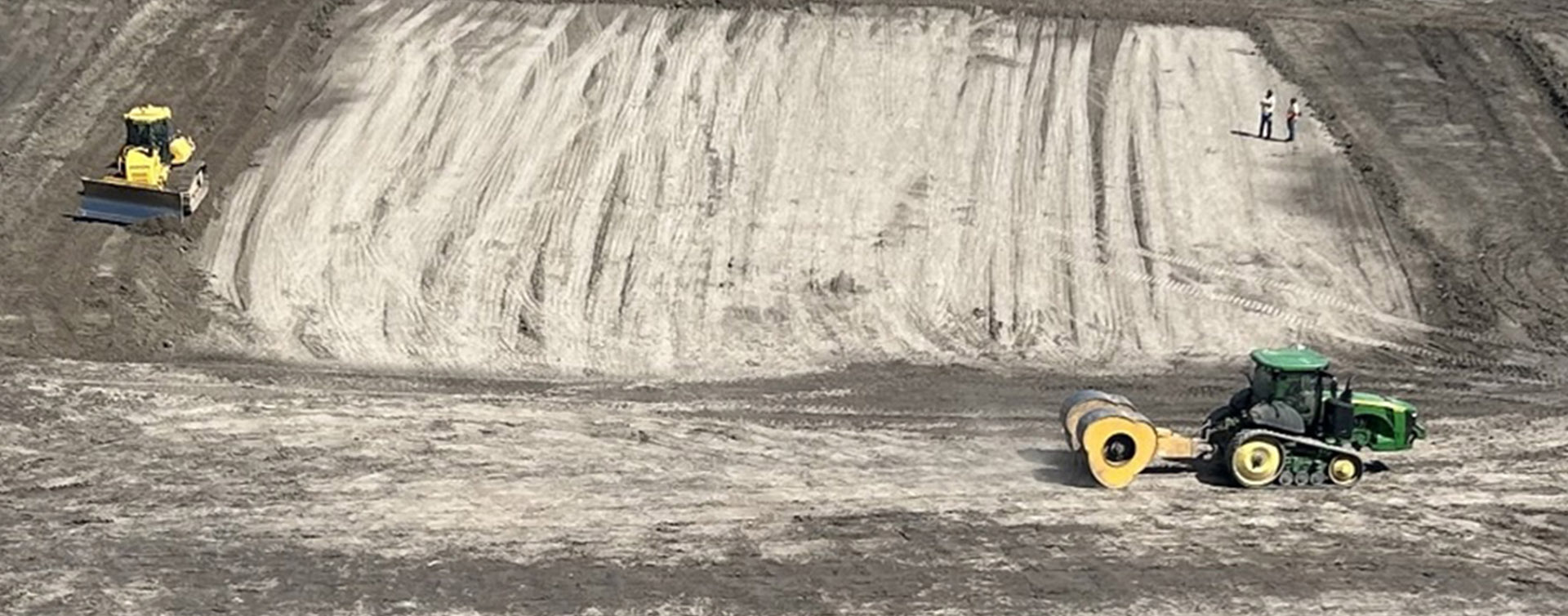
One of the key applications of HEIC in the building construction industry is site preparation. Properly prepared sites are essential for the stability and safety of any construction project. HEIC is used to consolidate and densify soils, creating a solid foundation for building projects. By compacting the soil, HEIC ensures that the ground can support the weight of the structures to be built, reducing the risk of future settlement and structural issues.
Enhancing Foundation Stability
Foundation stability is paramount for the integrity and longevity of buildings. HEIC plays a critical role in enhancing foundation stability by increasing soil density and uniformity. This compaction process results in a more stable and supportive ground, capable of bearing the loads imposed by residential, commercial, and industrial structures. With a stable foundation, buildings are less likely to experience settlement, cracking, and other structural problems, leading to safer and more reliable constructions.
Improving Pavement and Flooring Performance
In addition to foundation stability, HEIC is also used to improve the performance of pavement and flooring systems. Uneven or unstable ground can lead to issues such as cracking and deformation in pavements and floors. By compacting the soil beneath these surfaces, HEIC ensures a uniform and stable base, reducing the likelihood of such problems. This results in longer-lasting and more durable pavements and floors, minimizing maintenance costs and disruptions.
Reducing Settlement Risks
Settlement is a common challenge in the building construction industry, often leading to costly repairs and maintenance. HEIC effectively reduces settlement risks by densifying the soil and creating a more stable ground. This uniform compaction minimizes the potential for differential settlement, ensuring that buildings remain level and structurally sound over time. By preventing settlement issues, HEIC contributes to the overall quality and durability of construction projects.
Cost-Effective Construction Solutions
HEIC offers a cost-effective solution for improving ground conditions and optimizing construction projects. Traditional methods of dealing with unstable soils, such as extensive excavation and soil replacement, can be time-consuming and expensive. HEIC provides a more efficient alternative by compacting the existing soils in place, reducing the need for costly soil removal and replacement. This not only lowers project costs but also accelerates the construction timeline, allowing for faster project completion.
Promoting Safer and More Durable Buildings
Safety and durability are essential considerations in the building construction industry. HEIC enhances both by ensuring stable and reliable ground conditions. By reducing the risk of settlement, cracking, and other structural issues, HEIC contributes to the construction of safer buildings. These benefits are crucial for residential, commercial, and industrial projects alike, ensuring that structures are built to last and can withstand the demands of everyday use.
High Energy Impact Compaction (HEIC) is a versatile and transformative technology for the U.S. general building construction industry. Its ability to improve ground conditions, enhance foundation stability, and optimize pavement and flooring performance makes it an invaluable tool for construction projects. By providing cost-effective solutions and reducing settlement risks, HEIC supports the development of safer, more durable, and long-lasting buildings. As the construction industry continues to grow and evolve, HEIC will play a crucial role in ensuring the success and sustainability of building projects across the residential, commercial, and industrial sectors.
Representing over 8 percent of Australia’s Gross Domestic Product (GDP), construction emerges as the third largest industry in the nation. It’s a sector characterised by its vast scale and scope, employing roughly one million people and encompassing a range of activities from housing development to large-scale urban projects. This industry’s significant contribution reflects its pivotal role in shaping the living spaces and lifestyles of Australians, while simultaneously driving forward the nation’s economic growth and stability.
In this vibrant economic backdrop, the integration of innovative construction technologies and practices, such as Dynamic Compaction Solutions High Energy Impact Compaction (HEIC), becomes increasingly important. HEIC’s role in enhancing the infrastructure that supports residential construction is not just about building stronger foundations; it’s about ensuring that the residential building industry continues to thrive, innovate, and lead as a key component of Australia’s robust economy.