
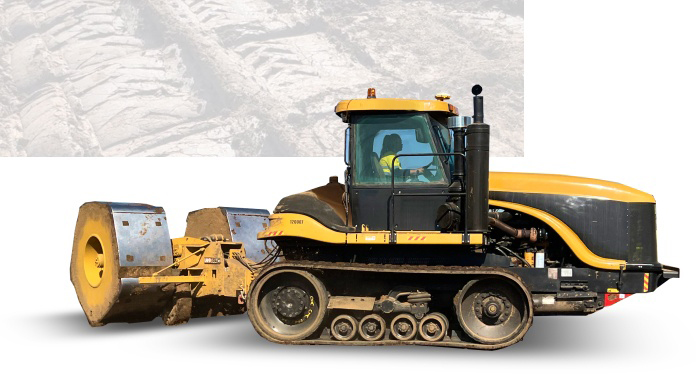
Dynamic Compaction Solutions caters to large-scale infrastructure projects in a wide range of industries. High Energy Impact Compaction (HEIC) is fundamental to our work in establishing key infrastructure assets such as shipping terminals, airports, and other transport networks.
HEIC can make light work of land that other methods of compaction simply can’t touch – including reclaimed or otherwise inaccessible land – opening up new development and commercial opportunities.
~57 trillion sq ft of ground compacted
27 industries catered to
3 countries worked in
~43.3 million cubic yards of earth filled
91 clients collaborated with
139 projects delivered
And
counting!
The U.S. mining industry is a vital part of the nation’s economy, providing raw materials for countless products and supporting hundreds of thousands of jobs. High Energy Impact Compaction (HEIC) is an innovative solution that helps mining companies improve efficiency, reduce costs, and enhance safety.
HEIC is employed to improve the ground conditions for haul roads, working platforms, tailings dams, and other critical infrastructure. By increasing soil density and load-bearing capacity, HEIC minimizes the risk of settlement, erosion, and other ground-related hazards. This results in safer, more efficient, and longer-lasting mining operations, ultimately contributing to the industry’s overall success.
Critical Infrastructure:
Key Stats:
The brownfield rehabilitation industry in the USA is vital for revitalizing contaminated sites and returning them to productive use. High Energy Impact Compaction (HEIC) is a powerful tool for improving ground conditions and facilitating redevelopment projects on brownfields.
HEIC can quickly and effectively densify and stabilize contaminated soils, reducing the need for costly excavation and disposal. By improving ground strength and reducing settlement potential, HEIC enables the construction of new infrastructure and facilities on previously unusable land, contributing to economic growth and environmental sustainability.
Critical Infrastructure:
Ket Stats:
The environmental and waste management industry in the USA is a rapidly growing sector, focused on sustainable solutions for waste disposal and resource recovery. High Energy Impact Compaction (HEIC) is an innovative technology that can significantly improve landfill efficiency and reduce environmental impact.
HEIC is used to compact waste in landfills, increasing their capacity and extending their lifespan. By reducing the volume of waste, HEIC minimizes the need for new landfill construction, conserving land resources and protecting natural habitats. Additionally, HEIC improves landfill stability, reducing the risk of leachate migration and ensuring a safer environment for surrounding communities.
Critical Infrastructure:
Key Stats:
The U.S. infrastructure, transportation, and high-speed rail sector is undergoing significant expansion and modernization. High Energy Impact Compaction (HEIC) plays a crucial role in ensuring the stability and longevity of these critical transportation networks.
HEIC is used to improve the ground conditions for roads, bridges, railways, and high-speed rail lines. By compacting and stabilizing the soil, HEIC reduces the risk of settlement, deformation, and other issues that can compromise infrastructure integrity. This results in safer, more durable, and longer-lasting transportation networks, benefiting both commuters and the economy.
Critical Infrastructure Sectors
Key Stats
The U.S. general building construction industry is a massive economic driver, encompassing residential, multi tenant housing, commercial, and industrial projects. High Energy Impact Compaction (HEIC) is a versatile solution for improving ground conditions and optimizing construction projects in this diverse sector.
HEIC is used to prepare building sites, enhance foundation stability, and improve the performance of pavement and flooring systems. By consolidating and densifying soils, HEIC reduces the risk of settlement, cracking, and other structural issues, leading to safer, more durable, and cost-effective building projects.
Critical Infrastructure:
Key Stats:
The U.S. commercial, industrial, and manufacturing development sector is a driving force behind economic growth, innovation, and job creation. High Energy Impact Compaction (HEIC) plays a vital role in optimizing site preparation and ensuring the long-term stability of these critical facilities.
HEIC is employed to compact and stabilize soils for warehouses, factories, distribution centers, and other commercial structures. By improving ground conditions, HEIC reduces the risk of differential settlement, foundation failure, and costly repairs. This leads to safer, more efficient, and longer-lasting facilities, enhancing the productivity and competitiveness of U.S. businesses.
Critical Infrastructure:
Key Stats:
The U.S. oil and gas industry is a major economic engine, contributing significantly to energy production, employment, and revenue generation. High Energy Impact Compaction (HEIC) is a valuable tool for enhancing the stability and safety of critical infrastructure in this demanding industry.
HEIC is employed to improve the ground conditions for well pads, access roads, pipelines, and storage facilities. By increasing soil density and load-bearing capacity, HEIC minimizes the risk of settlement, erosion, and other ground-related hazards. This ensures the safety and longevity of critical infrastructure, promoting efficient and reliable operations in the oil and gas sector.
Critical Infrastructure:
Key Stats:
The U.S. telecommunications and data center industry is experiencing unprecedented growth, fueled by the increasing demand for data storage, cloud computing, and high-speed connectivity. High Energy Impact Compaction (HEIC) is an essential tool for ensuring the stability and reliability of this critical infrastructure.
HEIC is used to prepare sites for data centers and telecommunication towers, improving ground conditions for foundations and underground utilities. By consolidating and stabilizing soils, HEIC reduces the risk of settlement, vibration, and other factors that can disrupt sensitive equipment and operations. This ensures the continuous and reliable delivery of essential communication services, supporting the digital infrastructure that underpins modern society.
Critical Infrastructure:
Key Stats: