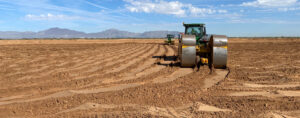
California High-Speed Rail Project with High Energy Impact Compaction
Ground improvement works for the California High-Speed Rail project using High-Energy Impact Compaction (HEIC) to help address challenging site conditions.

The environmental and waste management industry in the USA is experiencing rapid growth, driven by a focus on sustainable solutions for waste disposal and resource recovery. High Energy Impact Compaction (HEIC) is an innovative technology that offers significant benefits for improving landfill efficiency and reducing environmental impact. In this blog, we will explore how HEIC is revolutionizing the waste management sector and contributing to a more sustainable future.
One of the primary advantages of HEIC is its ability to compact waste in landfills more effectively than traditional methods. By applying high-energy impacts, HEIC significantly increases waste density, allowing more waste to be accommodated in the same space. This increased compaction maximizes landfill capacity, extending the lifespan of existing landfills and delaying the need for new landfill construction.
Landfill construction requires substantial land resources, often leading to the encroachment on natural habitats and agricultural areas. By optimizing the use of existing landfill space, HEIC helps conserve valuable land resources. This conservation is crucial for protecting natural habitats, preserving biodiversity, and maintaining agricultural productivity. Reducing the need for new landfills also minimizes the environmental footprint of waste disposal activities.
HEIC plays a significant role in reducing the environmental impact of landfills. By compacting waste more densely, HEIC reduces the overall volume of waste, which in turn decreases the potential for harmful emissions and leachate generation. Leachate, the liquid that percolates through landfill waste, can pose serious environmental risks if not properly managed. HEIC improves landfill stability, reducing the risk of leachate migration and contamination of surrounding soil and groundwater.
Stability is a critical concern in landfill management. Unstable landfills can lead to structural failures, environmental contamination, and safety hazards for nearby communities. HEIC enhances landfill stability by creating a more uniformly compacted waste mass. This uniform compaction reduces the likelihood of settlement and movement within the landfill, ensuring a safer and more secure waste disposal environment.
Sustainable waste management is at the heart of the environmental and waste management industry. HEIC aligns with this goal by optimizing landfill operations and reducing the need for new waste disposal sites. By extending the lifespan of existing landfills and improving their efficiency, HEIC supports the sustainable management of waste resources. This technology also contributes to the broader objectives of resource recovery and recycling, helping to minimize waste and promote a circular economy.
Landfills can have significant impacts on nearby communities, including potential health risks and environmental concerns. HEIC helps mitigate these impacts by ensuring more efficient and stable landfill operations. By reducing the risk of leachate migration and enhancing landfill stability, HEIC contributes to a safer environment for surrounding communities. This protection is essential for maintaining public health and ensuring the well-being of residents living near landfill sites.
High Energy Impact Compaction (HEIC) is a transformative technology in the environmental and waste management industry. Its ability to compact waste more effectively, maximize landfill capacity, and enhance landfill stability makes it a valuable tool for improving landfill efficiency and reducing environmental impact. By conserving land resources, reducing leachate risks, and supporting sustainable waste management practices, HEIC is paving the way for a more sustainable and environmentally responsible future in waste management. As the industry continues to grow and evolve, HEIC will play a crucial role in meeting the challenges of waste disposal and resource recovery in the USA.

Ground improvement works for the California High-Speed Rail project using High-Energy Impact Compaction (HEIC) to help address challenging site conditions.
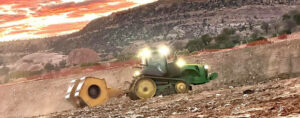
Mining haul roads carry some of the heaviest traffic in industrial construction, making ground stability critical to safety, productivity, and long-term road performance.
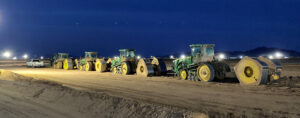
As data center developments continue expanding across the United States, ground improvement is becoming a critical part of fast-tracked site preparation and long-term performance.
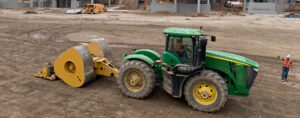
The Greeley Civic Centre project required precision ground improvement to support demanding structural loads, including column loads up to 500 kips and wall loads of 10 kips per linear foot.
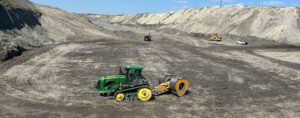
The project required building over 15ft of heterogeneous mine backfill consisting of overburden materials with variable particle sizes and inconsistent density.
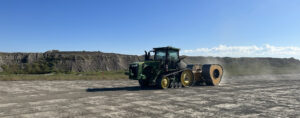
In the high-stakes environment of data center construction, schedule and structural reliability are the two most critical metrics.
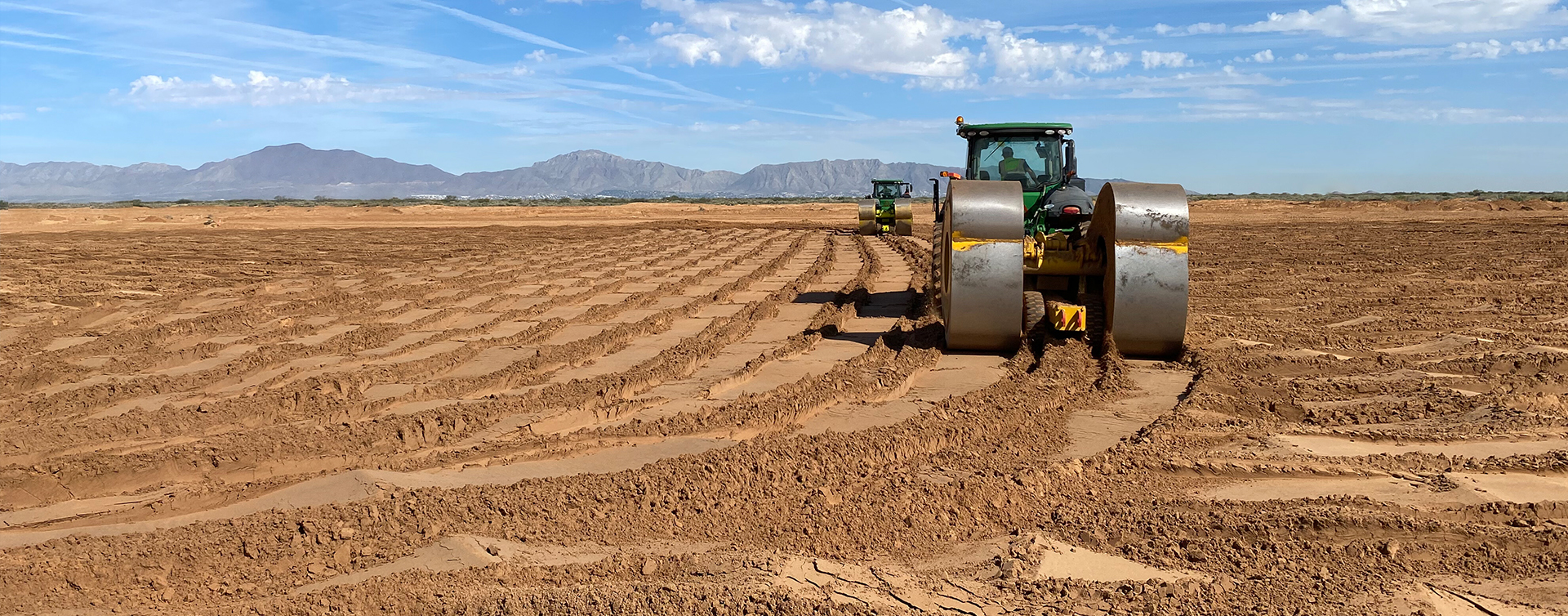
Ground improvement works for the California High-Speed Rail project using High-Energy Impact Compaction (HEIC) to help address challenging site conditions.
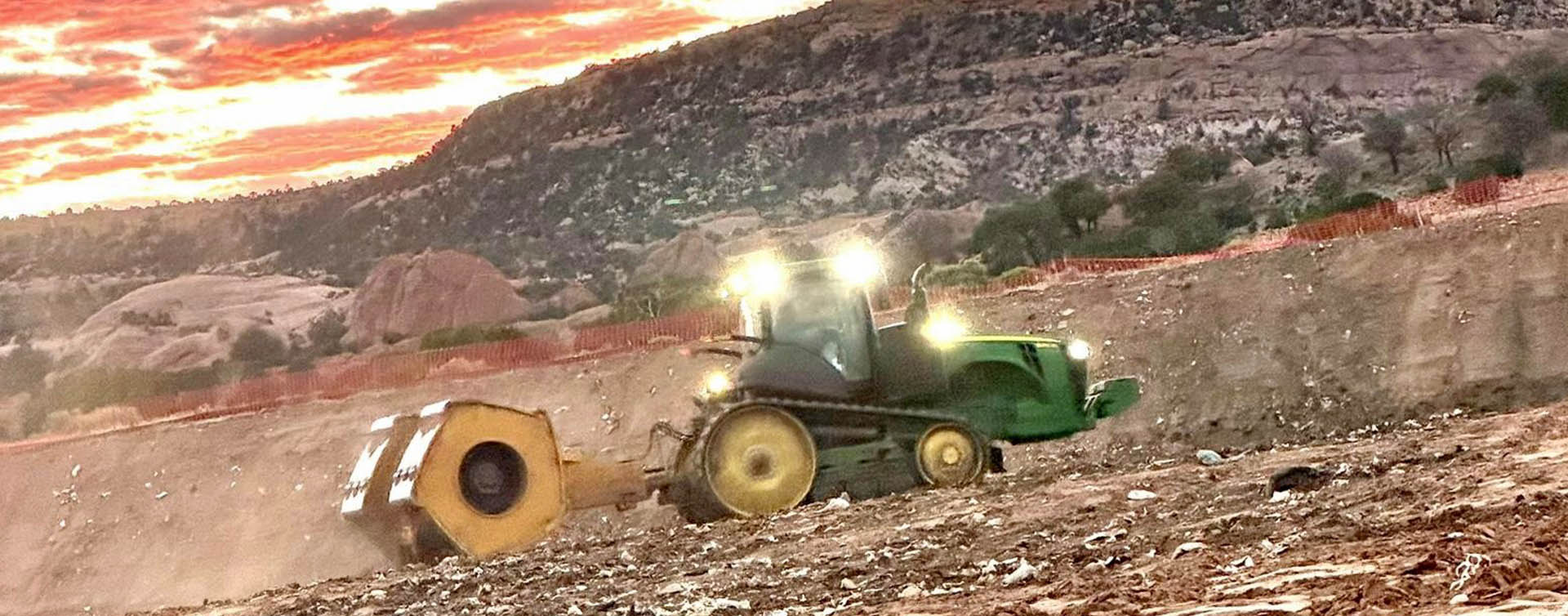
Mining haul roads carry some of the heaviest traffic in industrial construction, making ground stability critical to safety, productivity, and long-term road performance.
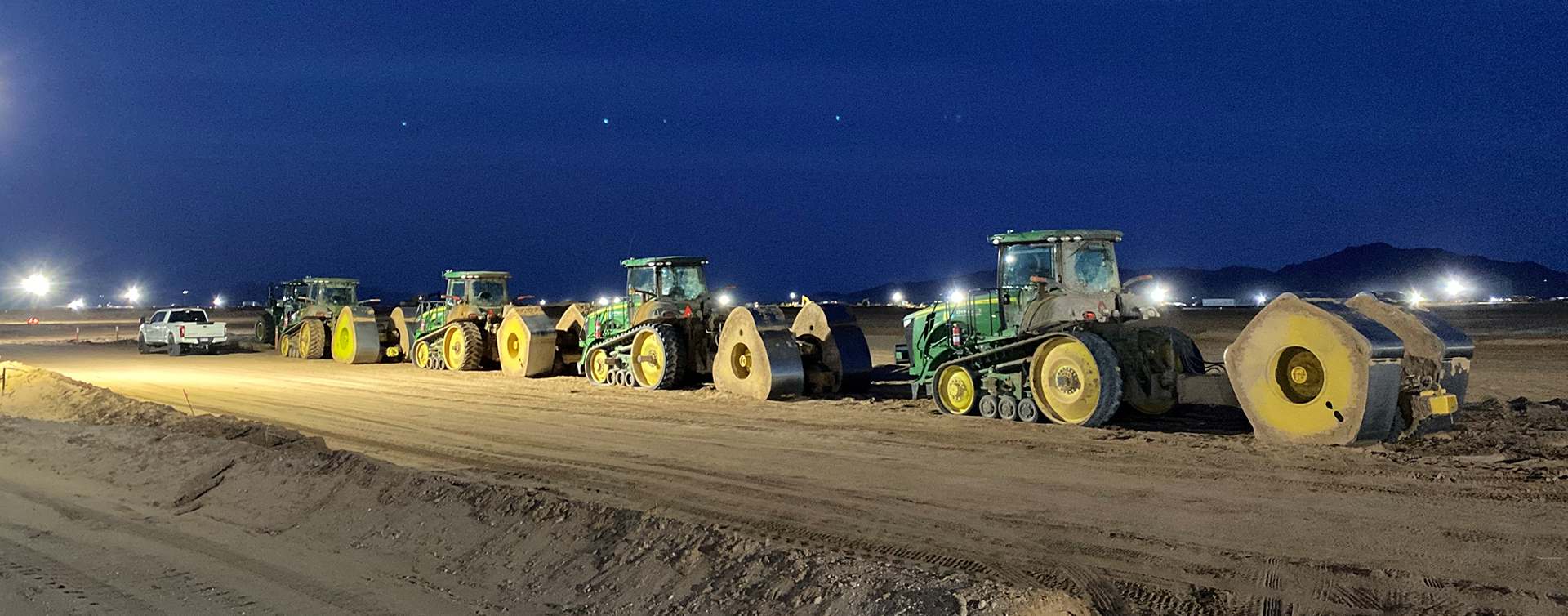
As data center developments continue expanding across the United States, ground improvement is becoming a critical part of fast-tracked site preparation and long-term performance.
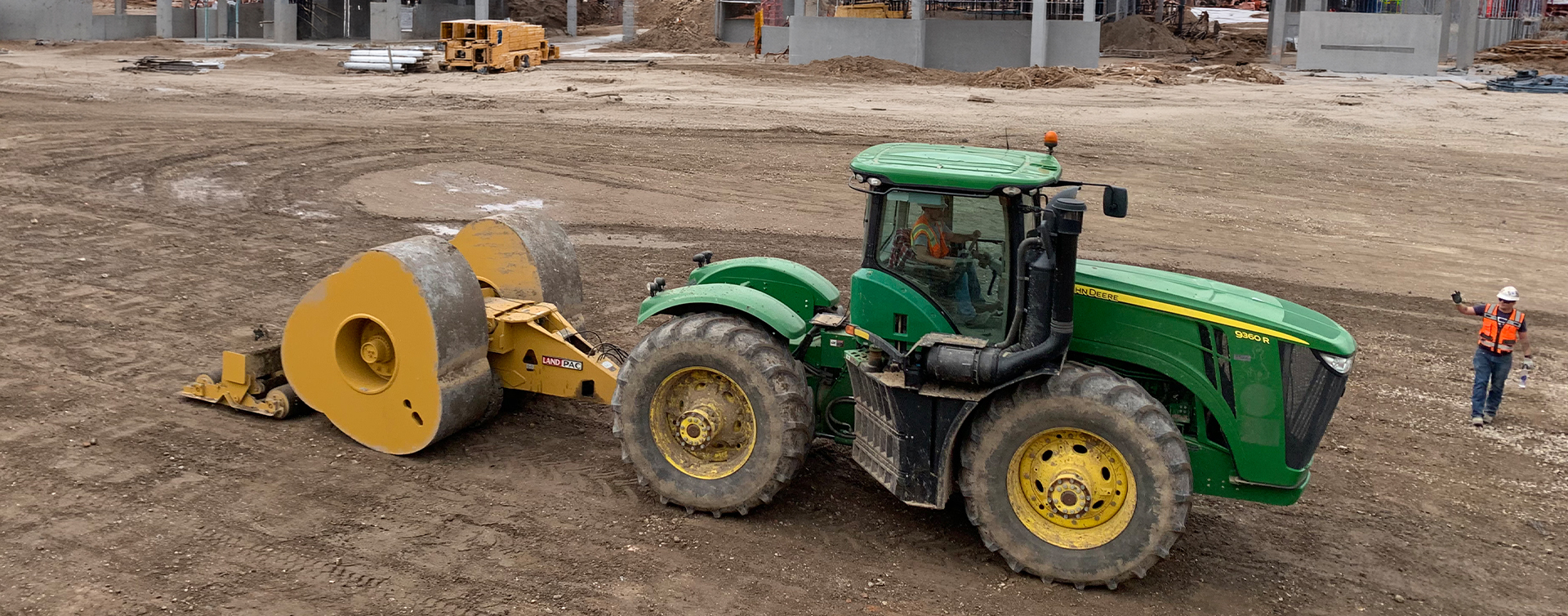
The Greeley Civic Centre project required precision ground improvement to support demanding structural loads, including column loads up to 500 kips and wall loads of 10 kips per linear foot.
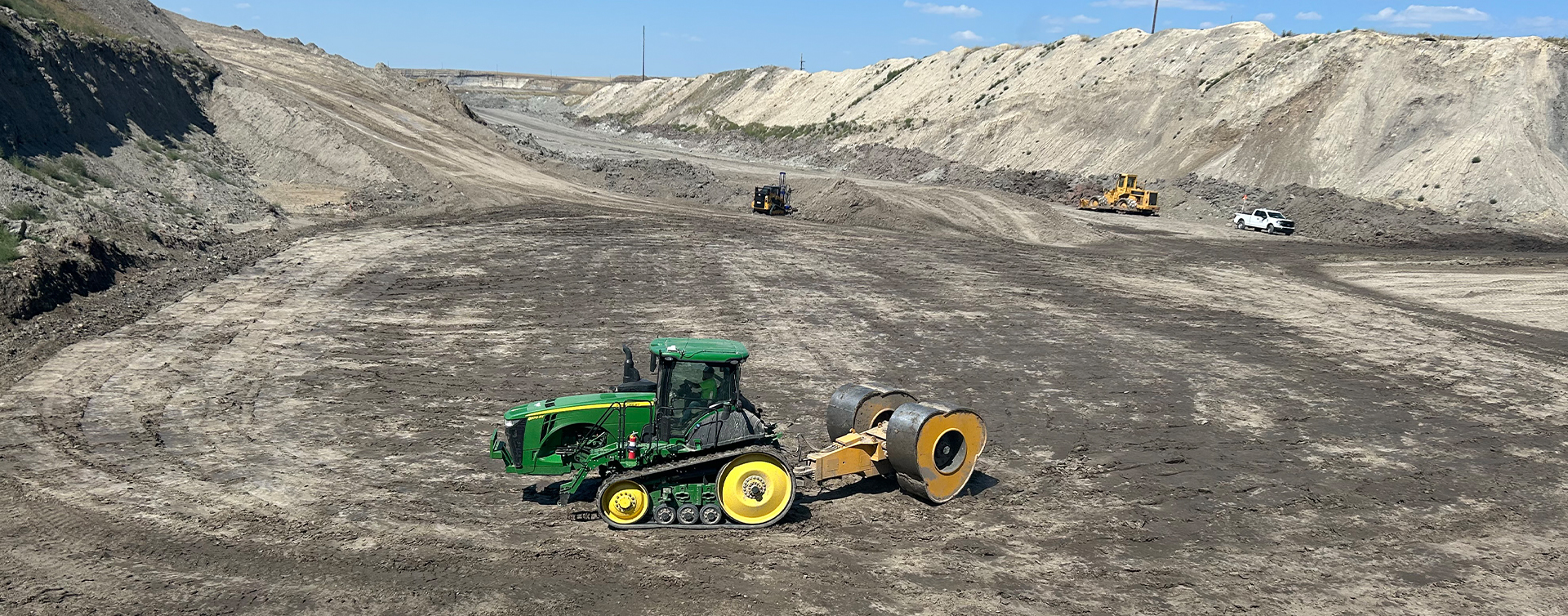
The project required building over 15ft of heterogeneous mine backfill consisting of overburden materials with variable particle sizes and inconsistent density.
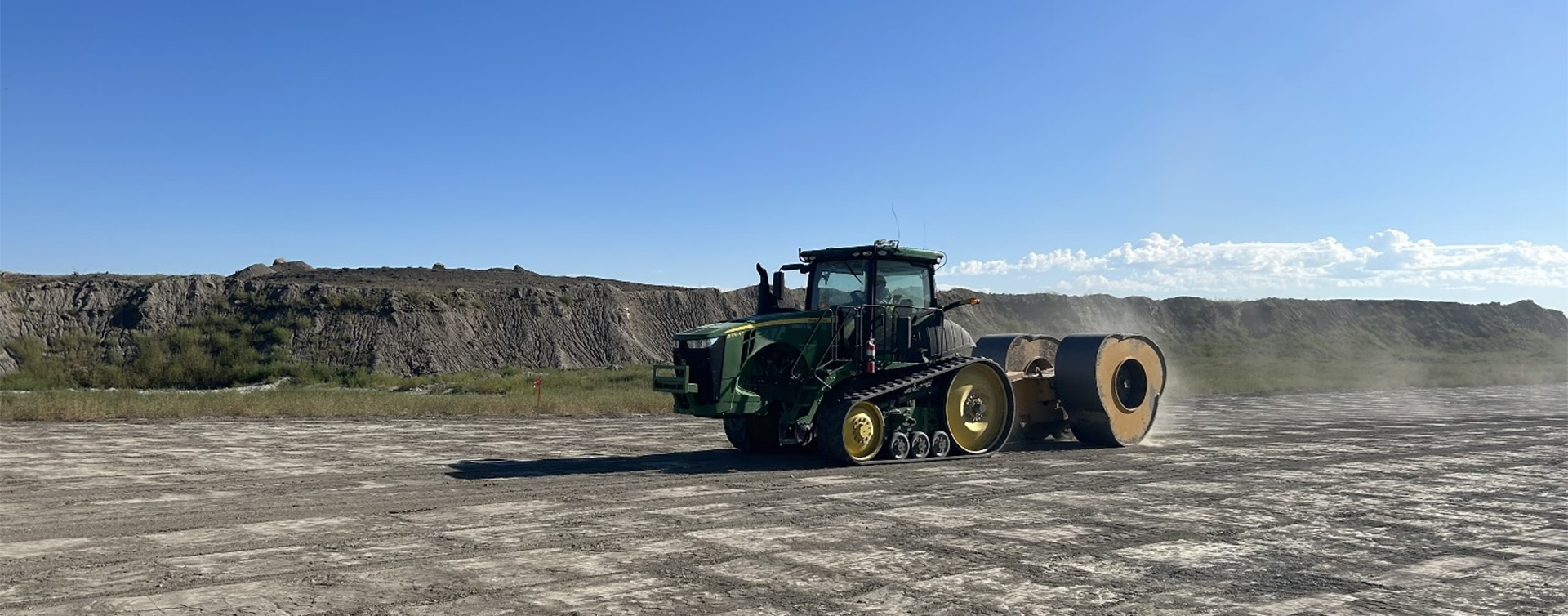
In the high-stakes environment of data center construction, schedule and structural reliability are the two most critical metrics.