The Advantages and Considerations of High Energy Impact Compaction for Thick Layer Placed Fill
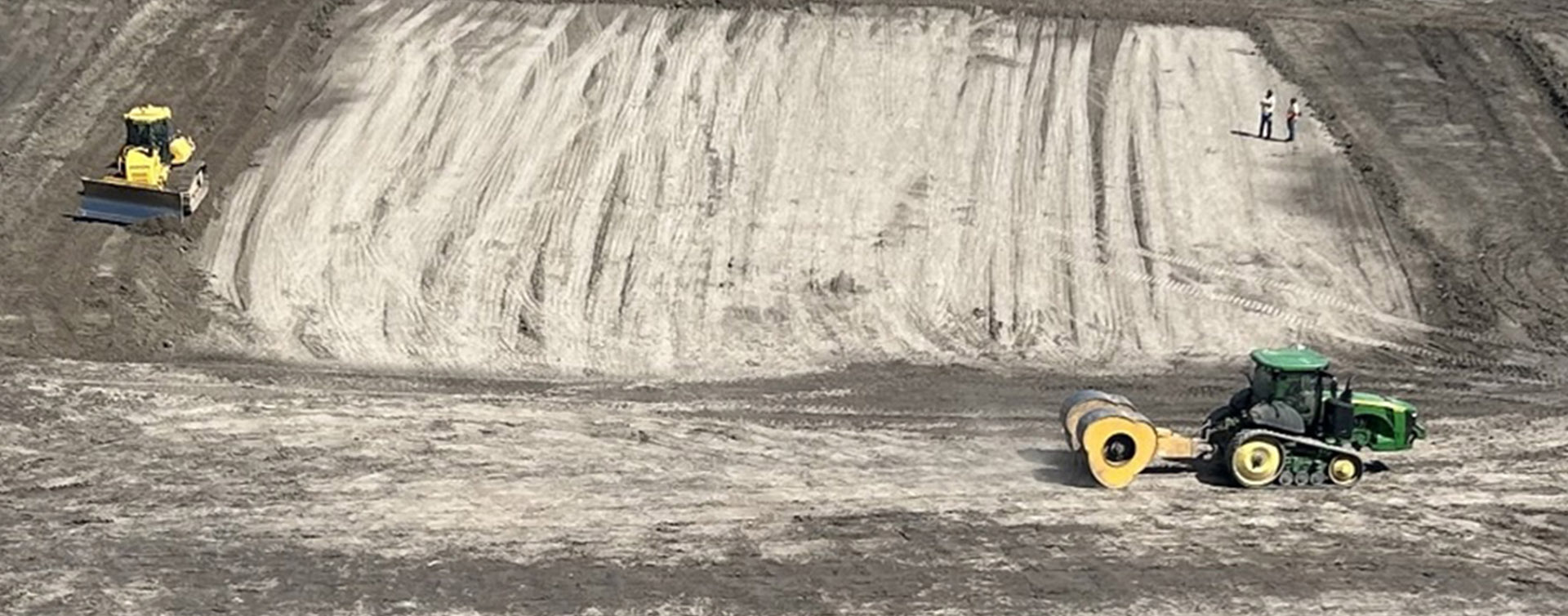
In geotechnical engineering, the placement of thick layers of fill material is a common practice in various construction projects. These fills are used to raise ground levels, create embankments, or provide foundation support. However, the compaction of such thick layers presents challenges, as achieving adequate compaction and uniformity throughout the fill is critical. High Energy Impact Compaction (HEIC) offers distinct advantages for the compaction of thick layer placed fill, ensuring improved stability and performance.
Advantages of High Energy Impact Compaction for Thick Layer Placed Fill
Rapid and Efficient Compaction
HEIC utilizes high compaction energy to achieve rapid and efficient densification of thick fill layers. The dynamic forces generated by the compaction equipment penetrate deep into the fill, effectively rearranging and compacting the soil particles.
Increased Density and Load-Bearing Capacity
HEIC significantly increases the density and load-bearing capacity of the placed fill. The compaction energy drives out air voids, reduces settlement potential, and improves the structural stability of the fill, allowing it to support heavy loads without excessive settlement.
Enhanced Uniformity and Consistency
The powerful impact forces applied during HEIC promote uniform compaction across the entire thickness of the fill. This helps eliminate differential settlement and ensures consistent performance throughout the constructed structure.
Mitigation of Settlement Issues
Thick layer placed fill often experiences settlement due to its own weight and environmental factors. HEIC minimizes settlement concerns by achieving a denser fill with reduced voids, thereby limiting the potential for long-term settlement and associated structural problems.
Reduced Embankment Thickness
By utilizing HEIC, the required thickness of fill can be reduced while still achieving the desired compaction and stability. This can result in cost savings by minimizing the volume of fill material required.
Considerations for Thick Layer Placed Fill and HEIC
Soil Compatibility
The success of HEIC for thick layer placed fill depends on the soil type. Coarse-grained soils, such as sands and gravels, respond well to HEIC, while fine-grained soils may require additional techniques for effective compaction.
Equipment and Expertise
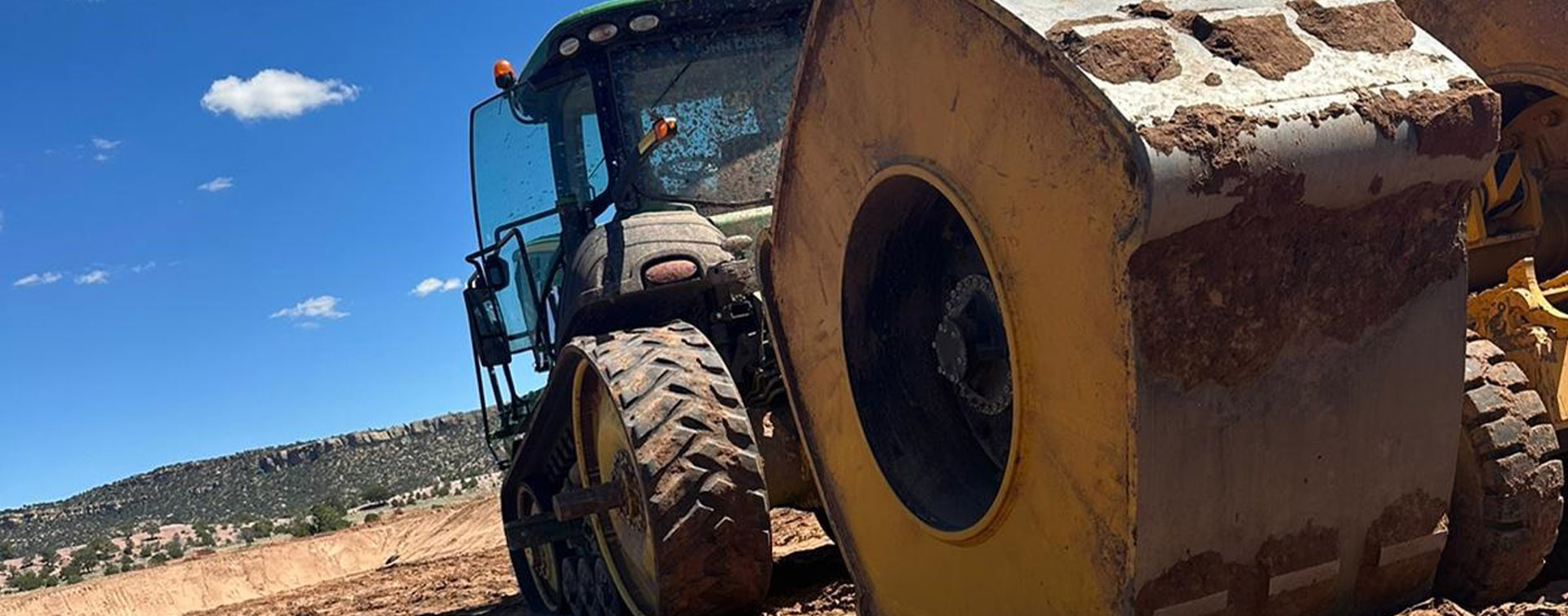
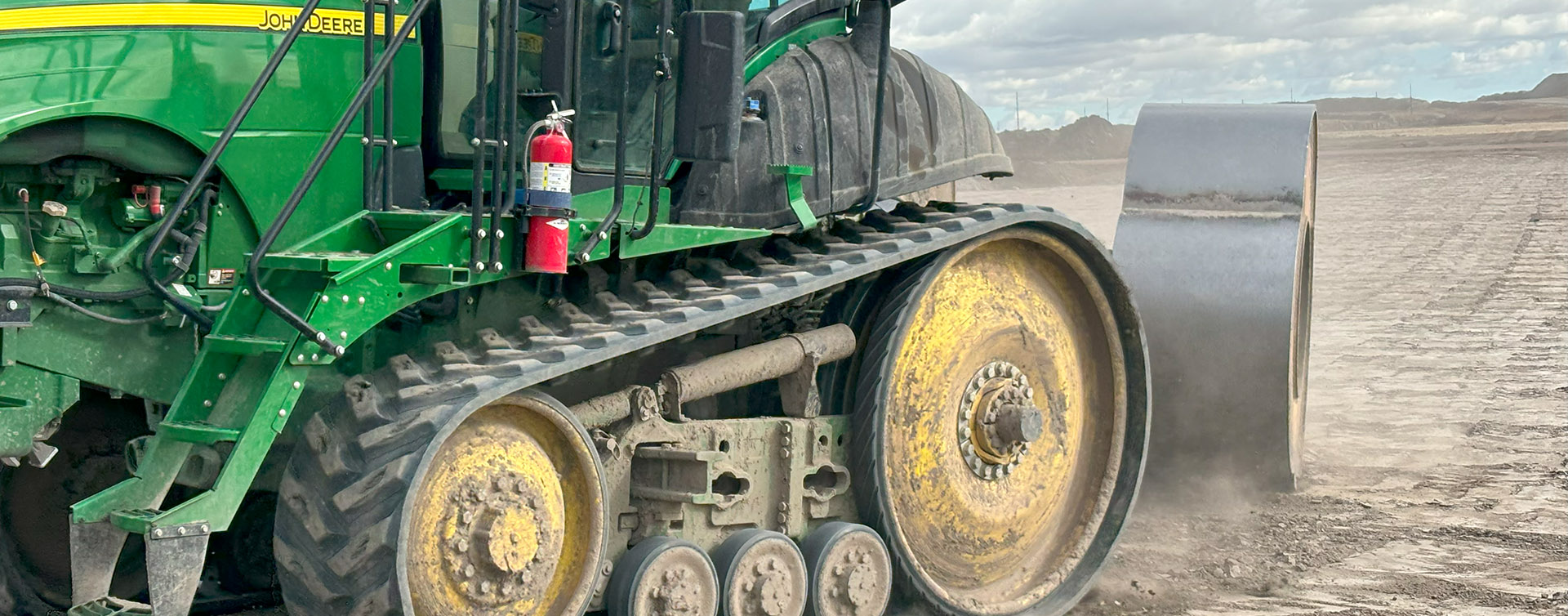
HEIC requires specialized compaction equipment capable of delivering high compaction energy. Proper selection and operation of the equipment, along with the expertise of trained professionals, are crucial for achieving optimal results.
Project Planning and Execution
Effective planning and coordination are essential for the successful implementation of HEIC for thick layer placed fill. Site-specific factors, including fill thickness, soil conditions, and project requirements, must be carefully evaluated to determine the appropriate compaction approach and equipment specifications.
The Role of Dynamic Compaction Solutions
By leveraging the benefits of High Energy Impact Compaction (HEIC), Dynamic Compaction Solutions ensures efficient and effective compaction of thick layer placed fill, delivering enhanced stability, improved load-bearing capacity, and long-term performance for construction projects. The expertise and experience of their team guarantee the successful execution of HEIC to optimize the compaction process and ensure the quality and durability of the constructed infrastructure.
Keep Communities Safe with Non-Intrusive Infrastructure
If adverse soil conditions are detected that could bring risk to people or the environment, HEIC allows compaction without the need to unearth or disturb what’s underneath. Get in touch to learn more.