Enhancing Transportation Infrastructure with High Energy Impact Compaction
The U.S. infrastructure, transportation, and high-speed rail sector is experiencing significant expansion and modernization. As the nation invests in these critical projects, ensuring the stability and longevity of transportation networks becomes paramount. High Energy Impact Compaction (HEIC) emerges as a crucial technology in this effort, providing substantial benefits for roads, bridges, railways, and high-speed rail lines. In this blog, we will delve into how HEIC enhances transportation infrastructure and supports the development of safer, more durable networks.
Improving Ground Conditions for Transportation Projects
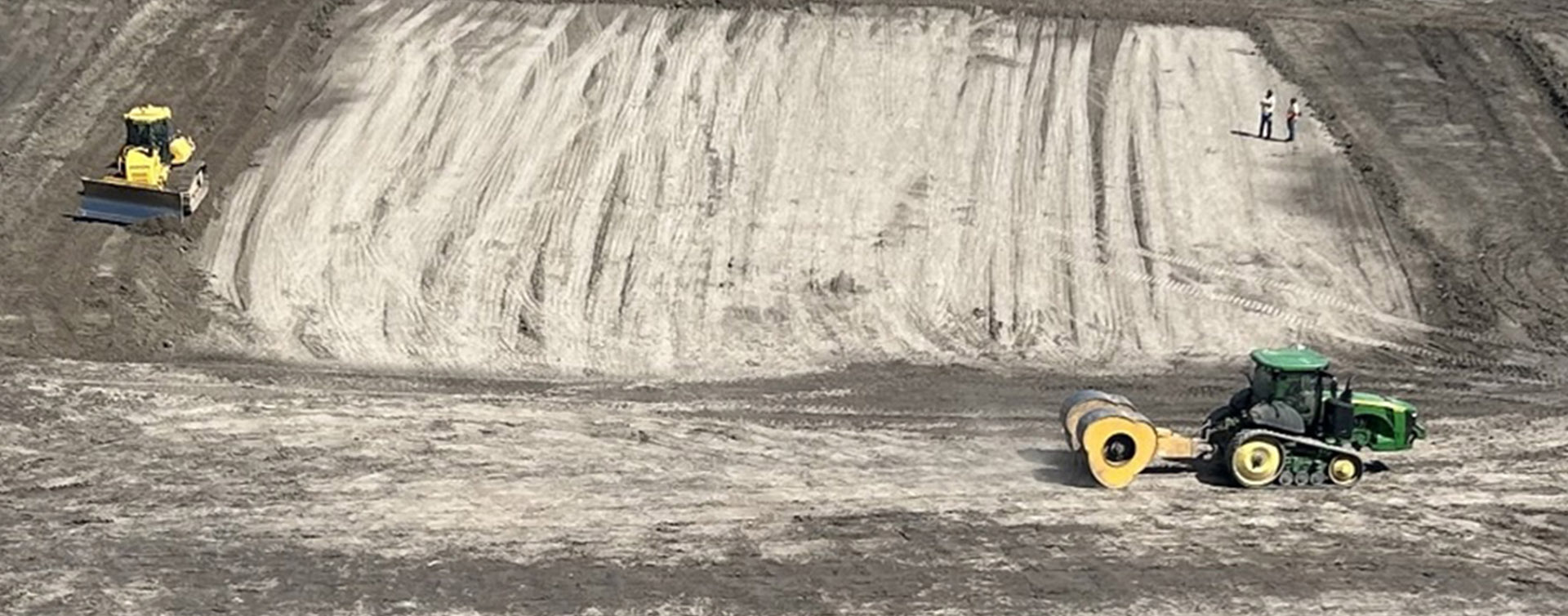
One of the primary applications of HEIC in the transportation sector is the improvement of ground conditions. Roads, bridges, and railways require stable and strong foundations to support the heavy loads and constant use they endure. HEIC addresses this need by compacting and stabilizing the soil, significantly enhancing its load-bearing capacity. This improved ground stability is essential for the construction and maintenance of robust transportation infrastructure.
Reducing the Risk of Settlement and Deformation
Settlement and deformation are common challenges in transportation infrastructure, often leading to costly repairs and maintenance. HEIC effectively reduces these risks by increasing soil density and uniformity. This reduction in settlement potential ensures that roads, bridges, and railways remain level and stable over time, minimizing the likelihood of structural issues. By preventing deformation, HEIC contributes to the longevity and reliability of transportation networks.
Enhancing Safety and Durability
Safety is a critical concern in the construction and maintenance of transportation infrastructure. Unstable ground conditions can compromise the integrity of roads, bridges, and railways, posing risks to commuters and transportation operations. HEIC enhances safety by providing a solid and stable foundation, reducing the chances of infrastructure failure. This increased stability leads to more durable and resilient transportation networks, capable of withstanding the demands of heavy traffic and environmental stresses.
Supporting High-Speed Rail Development
The development of high-speed rail lines in the U.S. represents a significant advancement in transportation technology. These rail lines require exceptionally stable ground conditions to ensure smooth and safe operation at high speeds. HEIC plays a vital role in this context by compacting and stabilizing the soil, creating a firm and uniform base for high-speed rail tracks. This foundation is crucial for maintaining the precise alignment and stability required for high-speed rail systems.
Economic Benefits of HEIC
Investing in transportation infrastructure is not only about enhancing mobility but also about driving economic growth. By improving the stability and durability of transportation networks, HEIC contributes to a more efficient and reliable transportation system. This efficiency reduces maintenance costs and minimizes disruptions, benefiting both commuters and the economy. Moreover, durable infrastructure attracts businesses and promotes economic development by ensuring reliable access to markets and resources.
Environmental Sustainability
HEIC also supports environmental sustainability in transportation infrastructure projects. By optimizing soil compaction and stability, HEIC reduces the need for extensive excavation and soil replacement. This minimizes the environmental impact associated with transportation construction activities. Additionally, by extending the lifespan of infrastructure, HEIC contributes to a reduction in resource consumption and waste generation over time.
High Energy Impact Compaction (HEIC) is a transformative technology for the U.S. infrastructure, transportation, and high-speed rail sector. Its ability to improve ground conditions, reduce settlement risks, and enhance the safety and durability of transportation networks makes it an invaluable tool in modernizing and expanding transportation infrastructure. By supporting the development of stable and reliable roads, bridges, railways, and high-speed rail lines, HEIC plays a crucial role in ensuring the success of transportation projects and contributing to economic growth and environmental sustainability. As the U.S. continues to invest in its transportation future, HEIC will be a key component in building safer, more resilient, and long-lasting infrastructure.
This is particularly vital in airport construction, where HEIC’s ability to ensure soil uniformity and stability is key to preventing runway issues like differential settlement and surface cracking, thereby enhancing safety and reducing maintenance needs.