Dynamic Compaction Solutions’ Role in Enhancing Mining Operations
In the thriving mining sector, Dynamic Compaction Solutions emerges as a key player in enhancing operations through High Energy Impact Compaction (HEIC). This innovative technique is crucial for ensuring the stability and safety of mining sites, particularly in tailings dam construction, access roads, and foundation preparations for heavy machinery and structures.
Tailings Dams – Ensuring Safe Storage
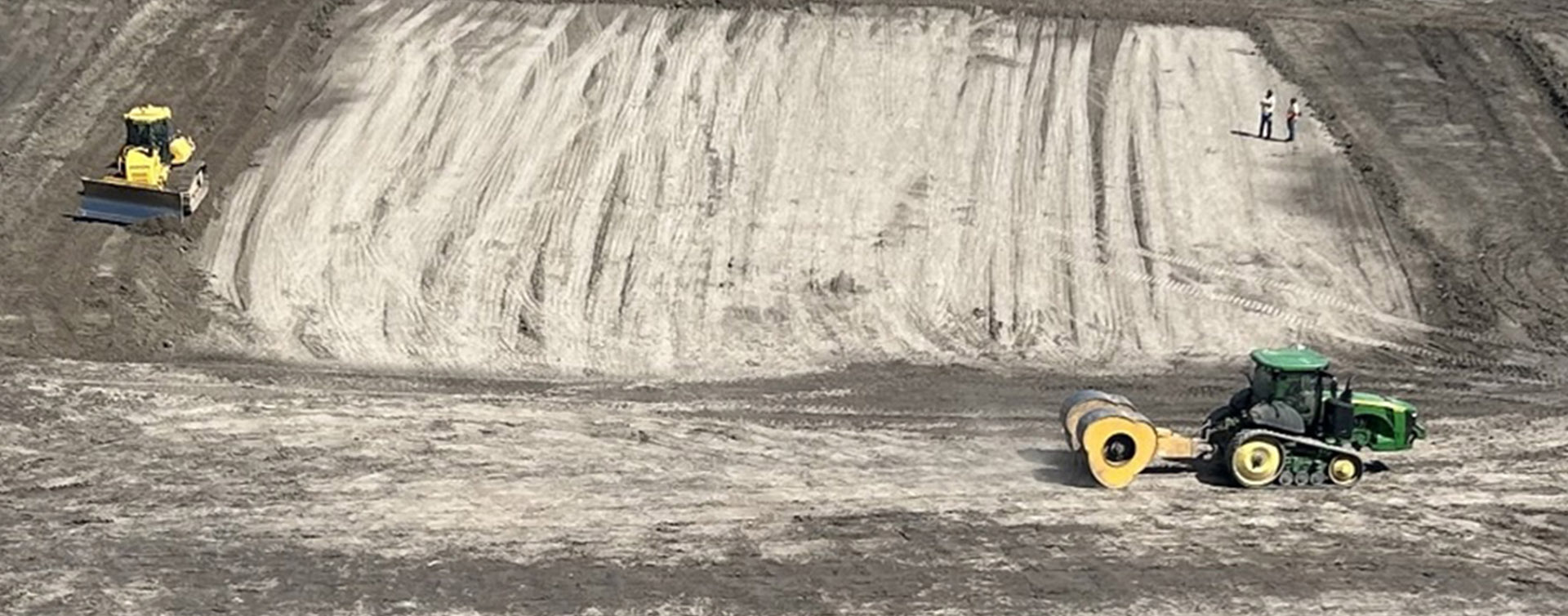
Tailings dams are critical components of mining infrastructure that store mining by-products and play a pivotal role in ensuring the safety of mine workers and the environment. Dynamic Compaction Solutions utilizes HEIC to enhance the density and stability of the foundational soil of these dams, significantly reducing the risk of breaches and the catastrophic consequences that can follow. By consolidating tailings dams, HEIC helps safeguard against collapses or leaks, mitigating the devastating environmental impacts associated with such incidents.
Haul and Access Roads
Haul and access roads are crucial in mining operations, as they facilitate the movement of heavy machinery and materials. The incorporation of HEIC into these roads is significant for several reasons:
- Enhanced Load-Bearing Capacity and Durability: HEIC involves using specialized equipment to compact the road surface and underlying layers more effectively than traditional methods. This compaction increases the road’s strength, enabling it to withstand the heavy loads typically encountered in mining operations. The enhanced durability means these roads are less likely to develop problems like rutting, potholes, or surface degradation over time.
- Mitigation of Tyre Wear and Damage: Inefficient or poorly constructed roads can cause excessive tyre wear and damage to vehicles, particularly in the heavy-duty context of mining. HEIC creates smoother and more uniform road surfaces, which reduces the stress on vehicle tyres and extends their lifespan. This aspect is crucial as tyre maintenance and replacement can be a significant operational cost in mining.
- Reduced Maintenance Requirements: By improving the structural integrity and resilience of the road surface, HEIC reduces the frequency and extent of maintenance required. This aspect is particularly important in mining operations, where road closures or repairs can lead to significant disruptions.
- Optimized Operational Efficiency: Efficient transport routes are vital for the smooth operation of a mining site. Roads that are more durable and require less maintenance ensure uninterrupted workflows, contributing to overall operational efficiency.
- Minimized Downtime: In mining, any downtime can lead to substantial financial losses. The improved quality of haul and access roads means less time spent on repairs and maintenance, thus minimizing operational interruptions.
- Longevity of Roads: The extended lifespan of roads due to HEIC means that they do not need to be rebuilt or extensively repaired as often, which is both cost-effective and beneficial for operational planning.
- Environmental Considerations: Well-constructed roads with HEIC may also have environmental benefits. They are likely to require fewer raw materials over their lifetime due to less frequent repairs, potentially leading to reduced dust emissions, which is a significant environmental and health concern in mining areas.
Integrating HEIC in the construction and maintenance of haul and access roads in mining operations is a comprehensive approach that enhances the functionality, efficiency, and sustainability of these essential infrastructure elements. This integration not only supports the operational aspects of mining but also contributes to cost savings and environmental stewardship.
HEIC’s Role in Environmental Responsibility
- Reduction in Carbon Emissions: HEIC is an environmentally responsible choice because it does not require additional fill materials. This means there’s a reduction in the carbon emissions typically associated with the transportation of these materials.
- Creating Stable, Durable Infrastructure: By improving the durability and stability of mining infrastructure, HEIC minimizes the environmental impact. This is achieved by reducing the need for frequent repairs and maintenance, which often involve significant environmental disturbance.
Benefits of HEIC in Mine Rehabilitation
- Enhanced Soil Stability: One of the critical aspects of mine rehabilitation is the stabilization of soil. HEIC can play a vital role in this regard by compacting and strengthening the soil. This enhanced stability is crucial for creating a solid foundation that supports vegetation growth and development.
- Reduced Risk of Erosion: In areas affected by mining, erosion can be a significant problem, often hindering rehabilitation efforts. The use of HEIC reduces the risk of erosion by firmly compacting the soil, thereby making the land more resilient to environmental factors like rain and wind.
- Supporting Vegetation Growth: A stable and compacted ground is more conducive to vegetation growth. This is essential in mine rehabilitation, as planting vegetation is a primary method of restoring the ecosystem. HEIC helps ensure that the soil is suitable for sustaining plant life, which is critical for the ecological restoration of mined areas.
Aligning with Sustainable Mining Practices
- Focus on Sustainability: The integration of HEIC in mine rehabilitation aligns with the mining industry’s growing focus on sustainable and responsible practices. By enhancing efficiency and reducing the environmental impact of mining operations, HEIC supports the shift towards more sustainable mining.
- Long-Term Benefits: The long-term environmental benefits of using HEIC in mine rehabilitation cannot be overstated. By creating more resilient and stable landscapes, the technique ensures that rehabilitated areas remain viable and ecologically balanced for years to come.
The integration of High Energy Impact Compaction in mining operations, especially in the context of mine rehabilitation, is a significant step towards promoting sustainable practices and environmental responsibility in the mining industry. This approach not only enhances operational efficiency but also ensures the long-term viability and ecological health of mined areas, demonstrating a commitment to responsible mining.
Stockpile Areas
For mining operations, managing and storing extracted materials efficiently is crucial. Stockpile areas, where these materials are stored, need to withstand substantial loads. With HEIC, the ground in these areas can be compacted to improve its strength and stability, enabling safe and efficient storage of mined materials.
Preparing Foundations for Heavy Machinery
The stability of foundations for heavy machinery and structures is vital in mining. HEIC provides a solid base, preventing subsidence and ensuring the safety of equipment and personnel.
The Economic Impact of HEIC in Mining
By improving the efficiency and safety of mining operations, HEIC contributes significantly to the economic growth of the sector. Improved infrastructure stability leads to fewer disruptions, enhancing productivity. Additionally, the environmental benefits of HEIC, such as safer tailings dams, align with sustainable mining practices, an increasingly important aspect in the industry.
Dynamic Compaction Solutions’ Contribution to a Thriving Mining Sector
Dynamic Compaction Solutions’ expertise in High Energy Impact Compaction plays a crucial role in the advancement of the mining industry. By ensuring the structural integrity and safety of mining infrastructures, HEIC not only enhances operational efficiency but also contributes to environmental sustainability. As the mining sector continues to grow, Dynamic Compaction Solutions’ innovative solutions are set to become even more integral in supporting this vital industry. Get in touch to find out how.