Enhancing Commercial and Industrial Development with High Energy Impact Compaction
The U.S. commercial, industrial, and manufacturing development sector is a driving force behind economic growth, innovation, and job creation. Ensuring the stability and longevity of these critical facilities is essential for their success. High Energy Impact Compaction (HEIC) offers a vital solution for optimizing site preparation and enhancing ground conditions. In this blog, we will explore how HEIC supports the development of warehouses, factories, distribution centers, and other commercial structures, leading to safer and more efficient facilities.
Optimizing Site Preparation
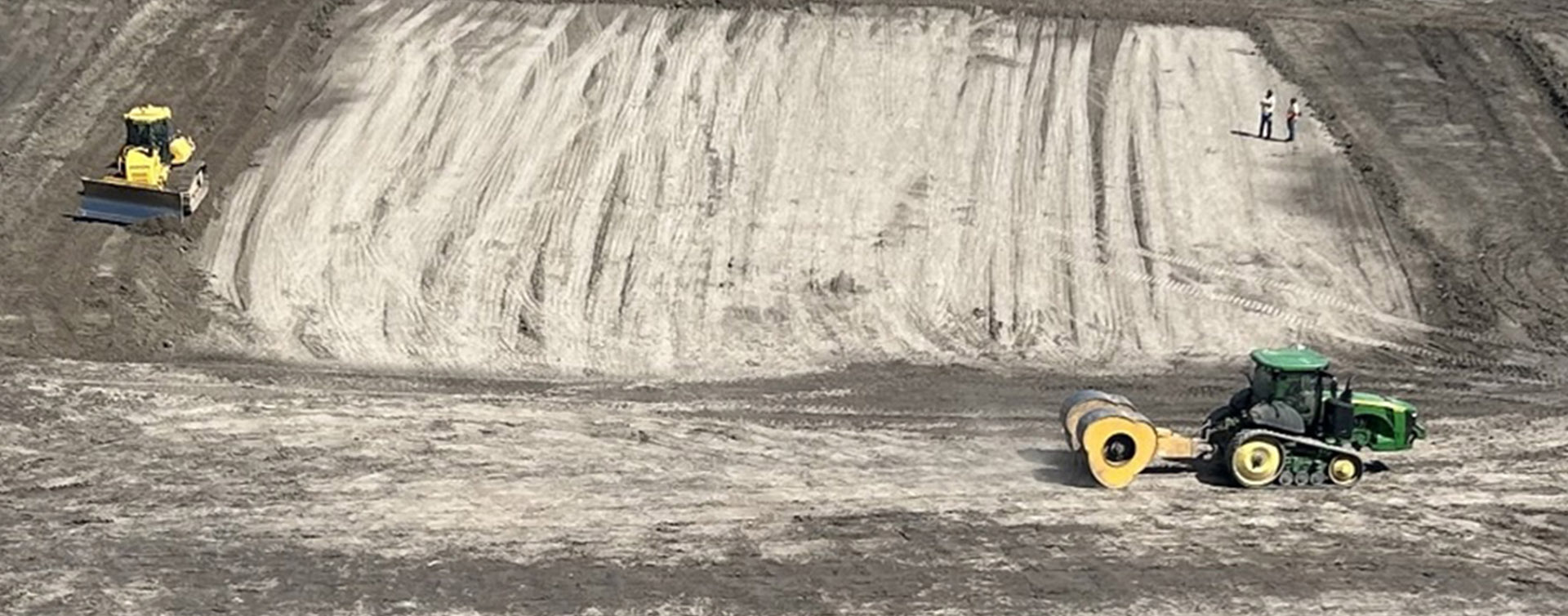
Site preparation is a crucial first step in the development of any commercial or industrial facility. HEIC plays a pivotal role in this process by compacting and stabilizing the soil, creating a solid foundation for construction. This compaction process ensures that the ground can support the weight and activities of large structures, reducing the risk of future settlement and foundation issues. By providing a stable base, HEIC sets the stage for successful and long-lasting construction projects.
Reducing the Risk of Differential Settlement
Differential settlement is a common challenge in the construction of large commercial and industrial facilities. Uneven settlement can lead to structural problems, operational disruptions, and costly repairs. HEIC effectively addresses this issue by increasing soil density and uniformity. This uniform compaction minimizes the potential for differential settlement, ensuring that the foundation remains stable and the structure remains level over time.
Enhancing Foundation Stability
Foundation stability is critical for the integrity and longevity of commercial and industrial buildings. HEIC enhances foundation stability by compacting the soil, resulting in a more stable and supportive ground. This stability is essential for warehouses, factories, distribution centers, and other commercial structures, which often experience heavy loads and constant use. By preventing foundation failure and related issues, HEIC contributes to the construction of safer and more reliable facilities.
Preventing Costly Repairs
Unstable ground conditions can lead to significant maintenance and repair costs for commercial and industrial facilities. HEIC helps prevent these costs by ensuring stable and reliable soil conditions from the outset. By reducing the risk of foundation failure, settlement, and other structural problems, HEIC minimizes the need for costly repairs and maintenance. This leads to more cost-effective and efficient facility management over the long term.
Supporting Productivity and Competitiveness
The stability and reliability of commercial and industrial facilities are directly linked to their productivity and competitiveness. HEIC enhances these aspects by providing a solid foundation for operations. Safer and more stable facilities experience fewer disruptions, allowing businesses to operate more efficiently. This increased efficiency translates to higher productivity and improved competitiveness in the marketplace.
Promoting Economic Growth
The commercial, industrial, and manufacturing development sector is a key driver of economic growth in the U.S. By supporting the development of stable and reliable facilities, HEIC contributes to this growth. Stable foundations lead to successful construction projects, which in turn create jobs, stimulate local economies, and foster innovation. HEIC’s role in optimizing site preparation and enhancing ground conditions is crucial for sustaining the economic vitality of this sector.
High Energy Impact Compaction (HEIC) is a transformative technology for the U.S. commercial, industrial, and manufacturing development sector. Its ability to compact and stabilize soils, reduce the risk of differential settlement, and enhance foundation stability makes it an invaluable tool for site preparation. By preventing costly repairs and supporting productivity, HEIC ensures the success and longevity of warehouses, factories, distribution centers, and other commercial structures. As the sector continues to drive economic growth and innovation, HEIC will play a vital role in building safer, more efficient, and more competitive facilities across the nation.