Strengthening Soils Against Liquefaction
Liquefaction is a phenomenon that can occur in saturated soils during seismic events, causing significant damage to structures and infrastructure. Mitigating liquefaction risks is crucial to ensure the stability and safety of construction projects in seismically active areas. High Energy Impact Compaction (HEIC) offers effective measures for liquefaction mitigation by improving the soil’s resistance to liquefaction-induced deformation.
Understanding Liquefaction and Its Risks
Liquefaction refers to the loss of shear strength and stiffness in saturated soils, resulting in a temporary transformation from a solid to a liquid-like state. This phenomenon occurs when the pore water pressure in the soil increases rapidly during seismic shaking, causing the soil particles to lose contact and lose their ability to bear loads effectively. Liquefaction can lead to ground settlement, slope failure, and damage to structures and foundations.
The Role of High Energy Impact Compaction in Liquefaction Mitigation
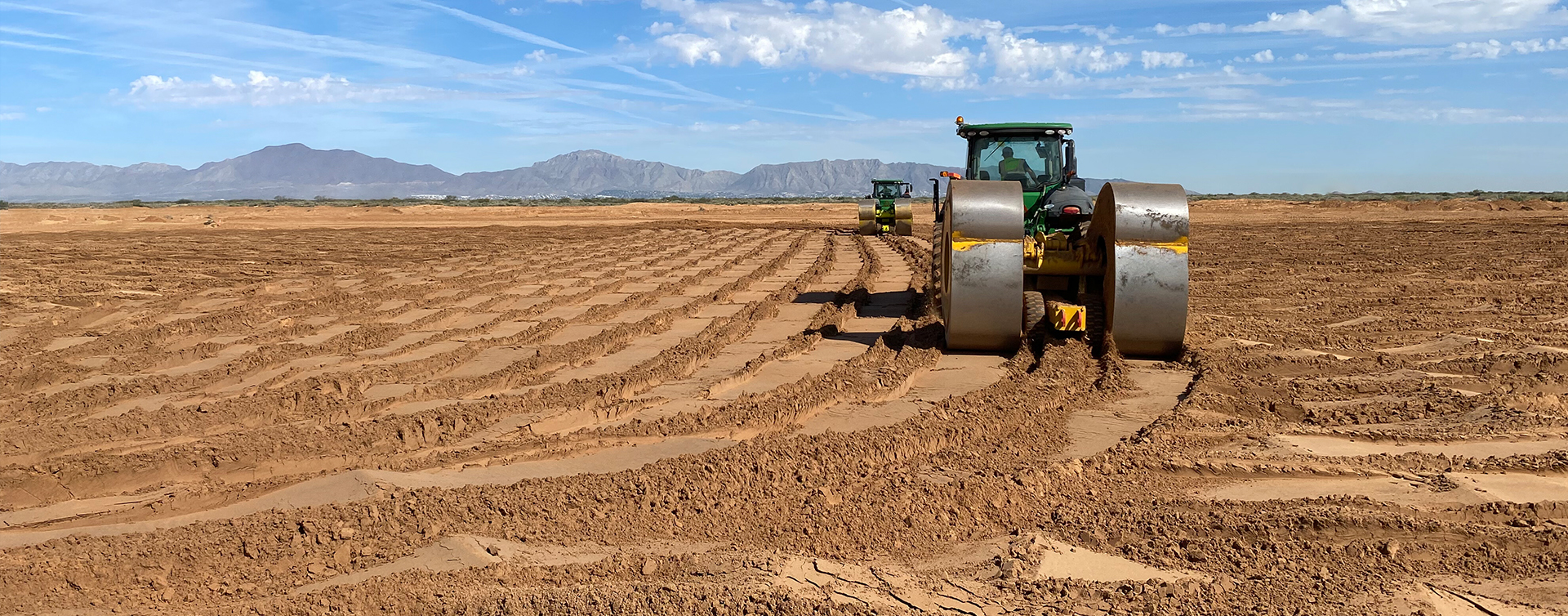
High Energy Impact Compaction (HEIC) is a pivotal technique in mitigating the risks associated with soil liquefaction, a phenomenon that can severely compromise soil stability during seismic events. By employing HEIC, significant improvements in soil stability are achieved, making it less susceptible to deformation due to liquefaction. The key benefits of using HEIC for this purpose include several crucial aspects:
Increased Density and Compaction
HEIC effectively increases the density and compaction of the soil, reducing pore spaces and enhancing particle interlock within the soil matrix. This densification significantly increases the soil’s shear strength and stiffness, making it less prone to the effects of liquefaction during seismic activities.
Enhanced Effective Stress
The high compaction energy applied by HEIC increases the effective stress within the soil. This increased stress is vital in counteracting the excess pore water pressure that typically builds up during seismic shaking, thereby mitigating the potential for soil liquefaction.
Improved Drainage Characteristics
HEIC enhances the drainage characteristics of the soil by reducing void spaces and promoting better water flow through the soil. Effective drainage helps dissipate excess pore water pressure, a critical factor in preventing liquefaction.
Uniformity and Consistency
The uniform compaction achieved through HEIC ensures consistent soil structure, reducing variations that can lead to differential settlement and localized areas of higher liquefaction susceptibility. This uniformity is essential for maintaining the integrity and stability of treated soils under seismic stress.
Applications of High Energy Impact Compaction for Liquefaction Mitigation
HEIC for liquefaction mitigation is particularly relevant in areas prone to seismic activity and where liquefaction risks are high. It can be applied to various projects, including:
Building Foundations
HEIC can be utilized to improve the soil beneath building foundations, ensuring their stability during seismic events and reducing the potential for settlement or tilting.
Infrastructure Projects
HEIC is beneficial for liquefaction mitigation in infrastructure projects such as bridges, highways, and pipelines. By treating the underlying soils, it enhances the structural integrity and resilience of these critical assets.
Reclamation and Development
HEIC is valuable for mitigating liquefaction risks in reclamation and land development projects. By stabilizing the underlying soils, it allows for safe and secure construction on reclaimed or soft ground.
Considerations for HEIC in Liquefaction Mitigation
Seismic Design Criteria
The design criteria for liquefaction mitigation should be established based on local seismic conditions and regulatory requirements. Adequate evaluation of the seismic hazard and design parameters is essential for determining the appropriate use of HEIC.
Site Investigation
Thorough site investigation and geotechnical analysis are crucial to assess the soil conditions, liquefaction potential, and other relevant factors. This information guides the design and implementation of HEIC for effective liquefaction mitigation.
Engineering Design
Proper engineering design, including the determination of suitable compaction parameters and energy levels, is essential for successful implementation of HEIC for liquefaction mitigation. The design should consider the specific soil properties, project requirements, and desired performance goals.
Quality Control and Monitoring
Effective quality control measures, including field testing and monitoring, should be implemented during the HEIC process to ensure the desired compaction results are achieved. Regular monitoring and documentation help verify the effectiveness of the treatment and ensure compliance with project specifications.
Dynamic Compaction Solutions’ Approach to Liquefaction Mitigation
By utilizing High Energy Impact Compaction (HEIC) techniques for liquefaction mitigation, Dynamic Compaction Solutions demonstrates a commitment to enhancing soil stability and reducing the risks associated with seismic events. Our expertise in assessing site-specific conditions, designing appropriate compaction strategies, and implementing quality control measures ensures effective liquefaction mitigation and the long-term stability of construction projects.