Ground Improvement for Data Center Development
The U.S. oil and gas industry is a major economic engine, significantly contributing to energy production, employment, and revenue generation.
In the fast-paced world of data center construction, schedule is everything. For a recent 74-acre site development, Dynamic Compaction Solutions (DCS) was brought in to address a high-risk challenge: undocumented fill and “soft” soils that threatened the structural integrity of warehouse-style buildings and heavy transformer yards.
The Challenge: Soil Collapse and Settlement Risks
Geotechnical reviews identified two critical risks: excessive settlement and high collapse potential. These soft to medium soils could cause inherent damage to the soil structure, requiring significant ground improvement before the construction of foundation slab-on-grade and pavements.
The HEIC Teaching Moment: In-Situ Densification
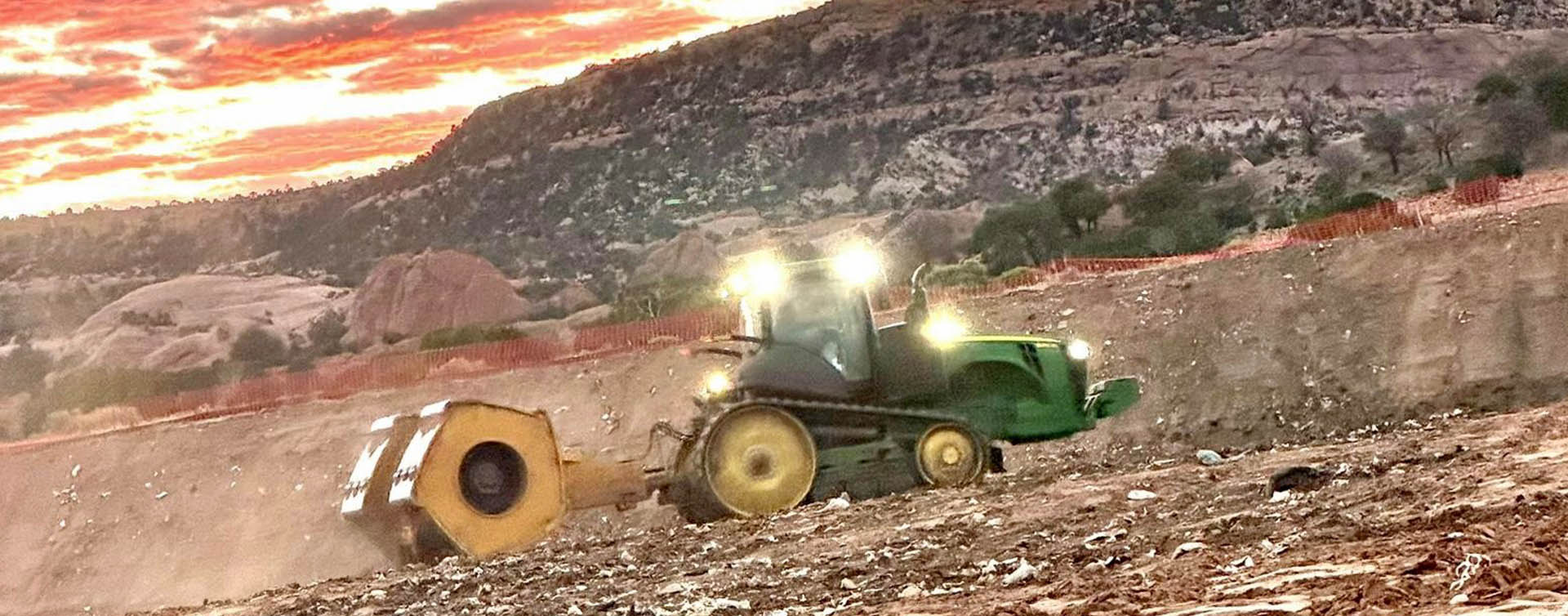
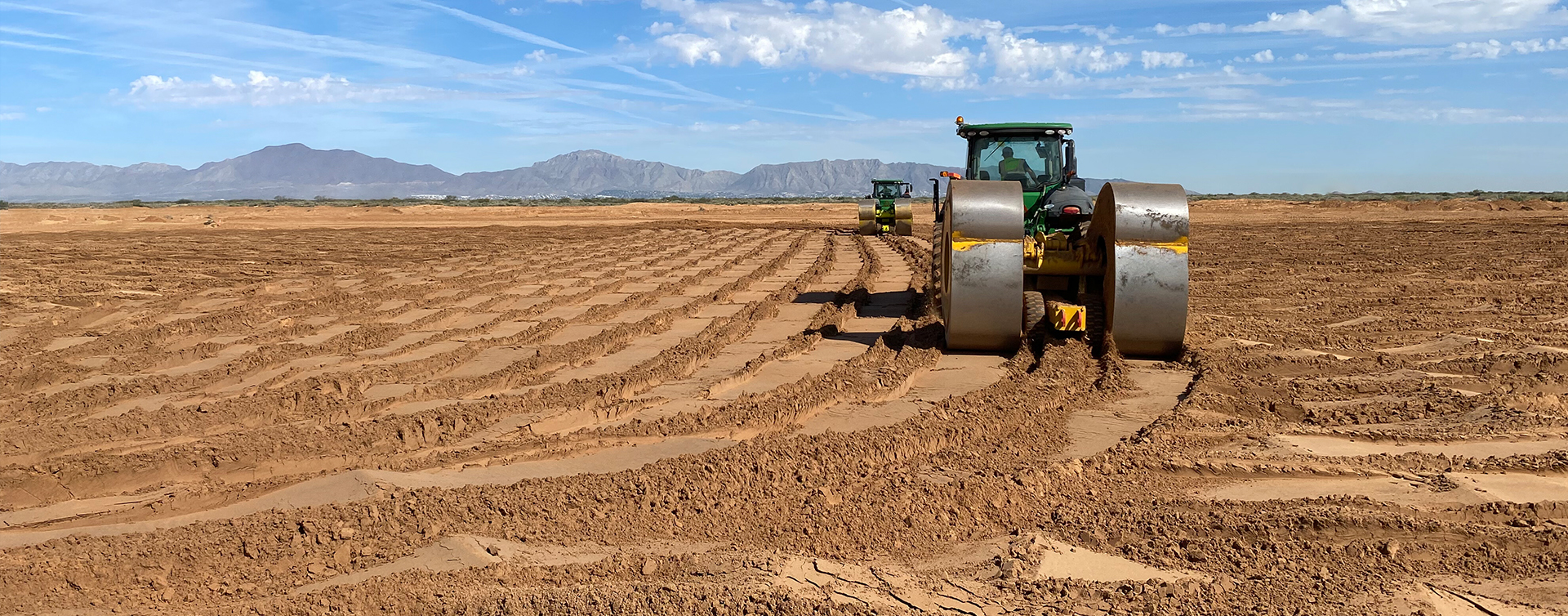
When faced with poor ground conditions, developers usually look at “Over-Excavation and Replacement”. However, High Energy Impact Compaction (HEIC) provides a more efficient ground improvement solution by treating the soil in-situ.
The Results: Data-Backed Performance
To verify the improvement, Cone Penetration Tests (CPTs) were performed before and after the 40 passes of HEIC.
By pivoting to HEIC, the project achieved a 60% cost reduction and saved four weeks on the project timeline, allowing subgrade preparation and earthwork to proceed with total confidence.
The DCS Advantage
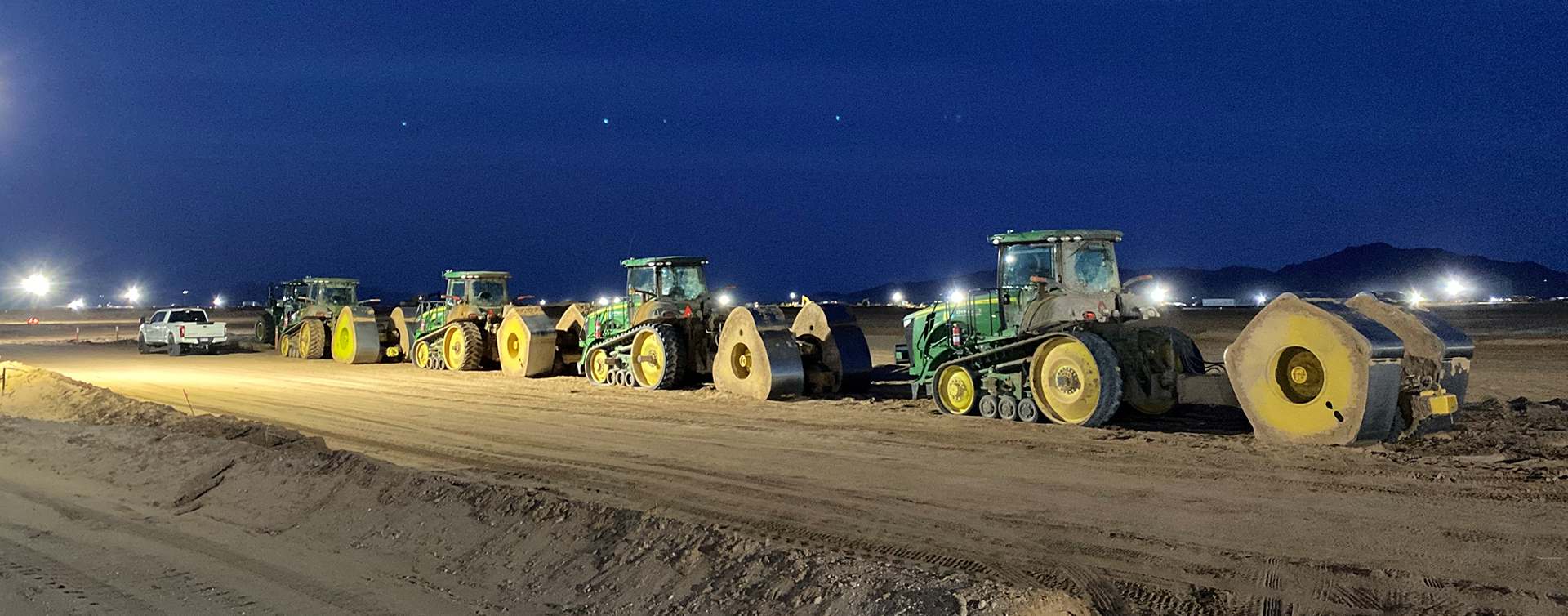
By treating 450,000 square feet in just 8 days, DCS allowed the project to move immediately into the construction of conventional spread footings. As the Engineer of Record noted, the HEIC method “significantly improved ground conditions and minimized the potential for future settlement issues”.
For data center developers, this combination of speed, cost-effectiveness, and verified safety is the ultimate competitive advantage.
Looking for a verified ground improvement solution? Contact Dynamic Compaction Solutions at (970) 222 6825.

The U.S. oil and gas industry is a major economic engine, significantly contributing to energy production, employment, and revenue generation.

The U.S. oil and gas industry is a major economic engine, significantly contributing to energy production, employment, and revenue generation.

The U.S. oil and gas industry is a major economic engine, significantly contributing to energy production, employment, and revenue generation.