HEIC as a Catalyst for Efficiency, Safety, and Sustainability
In the dynamic world of business and industry, the pursuit of efficiency, safety, and sustainability is relentless. Dynamic Compaction Solutions’ High Energy Impact Compaction (HEIC) emerges as a transformative solution, pushing the boundaries of what’s possible in production, commerce, manufacturing, and trade services. This advanced technology is not just about improving ground conditions; it’s a strategic tool that reshapes operational landscapes, fostering confidence, enhancing productivity, and promoting environmental stewardship.
The Role of HEIC in Business and Industrial Operations
The integration of HEIC in business and industrial settings addresses a multitude of challenges. In sectors where stability and durability are non-negotiable, such as manufacturing and commerce, HEIC brings a new level of assurance. The technology’s ability to improve soil density and strength directly translates to more robust and reliable foundations for facilities and infrastructure. This superior compaction is not just about creating a stable base; it’s about enhancing the overall integrity of operational sites, leading to streamlined execution and reduced in-soil exposure.
Enhancing Efficiency and Reducing Delays
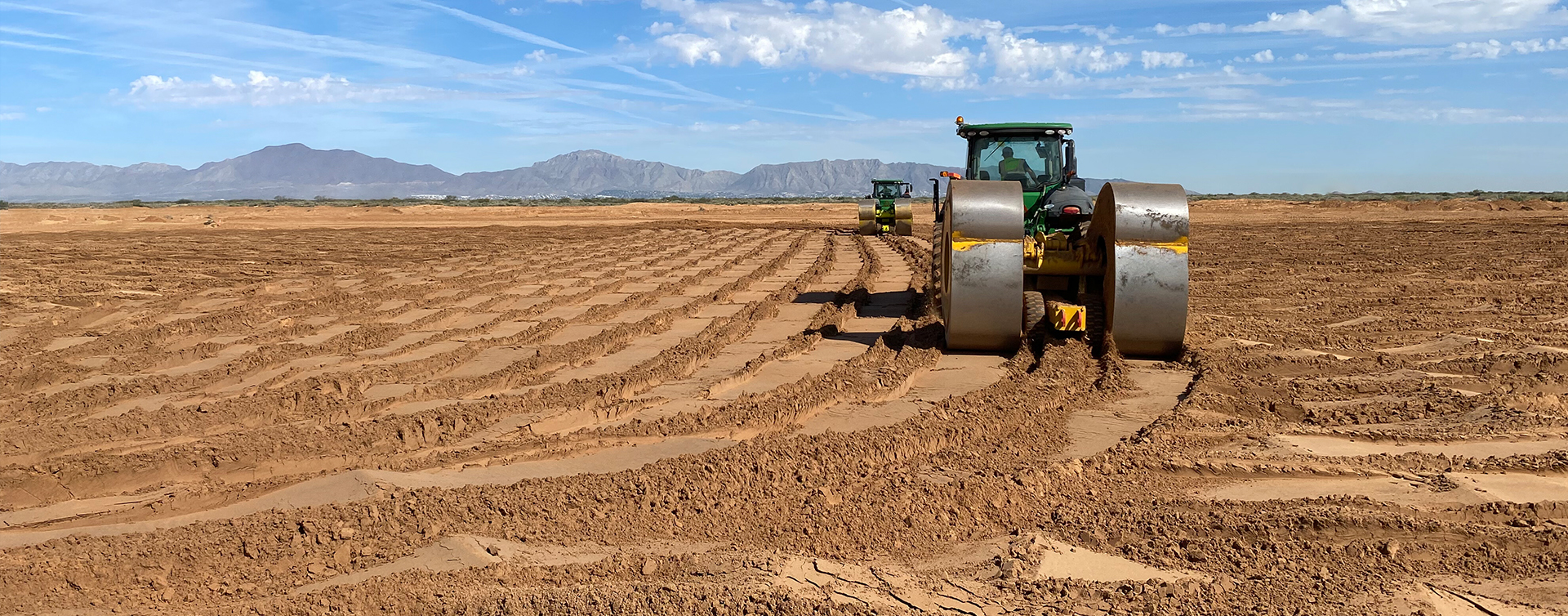
One of the key advantages of HEIC is its ability to improve operational efficiencies. By compacting soil more effectively and efficiently, HEIC reduces the time and resources typically required in ground preparation. This efficiency is crucial in fast-paced industrial environments where time is a critical factor. The advanced compaction techniques ensure that projects are completed on schedule, significantly reducing delays and boosting overall productivity. The superior interlock of particles achieved through HEIC ensures a more solid and uniform compaction, contributing to the smooth functioning of industrial activities.
Boosting Safety and Streamlining Operations
Safety is paramount in all business and industrial operations. HEIC enhances safety by creating more stable and secure grounds, which is essential for the safe handling and performance of heavy machinery and equipment. This increased stability not only protects the physical infrastructure but also safeguards the workforce, contributing to a safer working environment. In addition, the streamlined operations enabled by HEIC allow for smoother workflow and processes, further enhancing operational efficiency.
Advancing Sustainable Practices and Eco-Health
Sustainability is at the heart of modern business and industrial practices. HEIC contributes to environmental sustainability by effectively mitigating hazardous fills and reducing the ecological footprint of construction and operational activities. The reduced need for additional fill materials minimizes environmental impact, aligning with eco-friendly practices. Furthermore, the technology plays a significant role in eco-health risk reduction, ensuring that business and industrial activities do not adversely affect the surrounding ecological systems.
Paving the Way for a More Efficient and Sustainable Future
Dynamic Compaction Solutions’ High Energy Impact Compaction technology is a game-changer in the business and industrial sectors. By improving efficiencies, enhancing safety, reducing delays, and promoting sustainable practices, HEIC is paving the way for a more productive, streamlined, and environmentally responsible future. Whether in manufacturing, commerce, or trade services, HEIC stands as a testament to Dynamic Compaction Solutions’ commitment to innovation and excellence in the pursuit of industrial advancement.
The Base on Which Progress is Built
High Energy Impact Compaction (HEIC) is at the foundation of the projects that build key infrastructure assets such as shipping terminals, airports, and other transport networks. You can rely on HEIC for major projects. Get in touch to learn more.